
 English
 हिन्दी
 Melayu
 Español
 Français
 العربية
 Deutsch
 lingua italiana
 shqiptare
 日本語
日本語 Bahasa indonesia
 Nederlands
 Portugues
 한국어
한국어 Filipino
 Pусский
Disposable plastic cuvettes in laboratory are an essential tool in many laboratory settings, designed to hold liquid samples for spectroscopic analysis. With their single use nature, these cuvettes are a popular choice for reducing cross contamination and saving cleaning time. However, the question of whether disposable plastic cuvettes can or should be reused arises frequently among researchers and students alike.
This article will explore the structure, function, and advantages of disposable plastic cuvettes in laboratory, analyze whether reusing them is feasible, and provide a detailed guide on their proper use. Keywords like disposable plastic cuvettes, cuvette in laboratory, and curvette lab will be addressed to ensure clarity and relevance.
What Are Disposable Plastic Cuvettes?
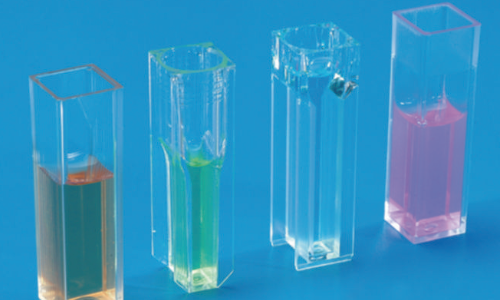
A cuvette lab is a small, transparent container used to hold liquid samples for spectrophotometric analysis. It allows light to pass through the sample, enabling the measurement of properties such as absorbance, transmission, or fluorescence. Disposable plastic cuvettes are made from durable polymers like polystyrene (PS) or polymethyl methacrylate (PMMA) and offer a practical alternative to glass or quartz cuvettes.
Key Characteristics of Disposable Plastic Cuvettes:
Material: Usually made from optical grade plastic (PS or PMMA), offering sufficient transparency for accurate measurements.
Design: Polished sides for light transmission and frosted sides for handling without smudges.
Size: Typically designed for 1 cm path length, which is standard for most spectrophotometers.
Cost: Affordable and accessible, making them a staple in laboratories with limited budgets.
Advantages of Using Disposable Plastic Cuvettes
Disposable cuvettes in laboratory are a valuable asset in various laboratory environments. Here are their main benefits:
1. Affordable and Accessible
Their low cost makes them ideal for academic institutions, research facilities, and industrial labs that perform high throughput testing.
Their low cost makes them ideal for academic institutions, research facilities, and industrial labs that perform high throughput testing.
2. Time Saving
Designed for single use, disposable cuvettes in laboratory eliminate the need for cleaning, drying, or sterilizing. This allows lab staff to focus on experiments rather than maintenance.
Designed for single use, disposable cuvettes in laboratory eliminate the need for cleaning, drying, or sterilizing. This allows lab staff to focus on experiments rather than maintenance.
3. Cross Contamination Prevention
Using a new cuvette lab for each sample reduces the risk of residual contamination, ensuring the reliability of results, especially in sensitive applications like clinical diagnostics.
Using a new cuvette lab for each sample reduces the risk of residual contamination, ensuring the reliability of results, especially in sensitive applications like clinical diagnostics.
4. Durability and Safety
Unlike fragile glass alternatives, plastic cuvettes in laboratory are less likely to break or cause injury during handling, making them safer for students and technicians.
Unlike fragile glass alternatives, plastic cuvettes in laboratory are less likely to break or cause injury during handling, making them safer for students and technicians.
5. Environmental Considerations
While single use plastics may raise concerns, many manufacturers are now creating recyclable or biodegradable cuvettes to reduce environmental impact.
While single use plastics may raise concerns, many manufacturers are now creating recyclable or biodegradable cuvettes to reduce environmental impact.
Can Disposable Plastic Cuvettes Be Reused?
The short answer is no. Disposable plastic cuvettes in laboratory are specifically designed for single use, and reusing them can compromise their functionality and the reliability of experimental results. Here’s why:
1. Risk of Contamination
After use, residues from the previous sample can remain in the cuvette, even after cleaning. This can lead to cross-contamination and skew subsequent measurements.
After use, residues from the previous sample can remain in the cuvette, even after cleaning. This can lead to cross-contamination and skew subsequent measurements.
2. Degradation of Optical Clarity
Cleaning agents, scratches, or repeated exposure to solvents can degrade the polished surfaces, leading to inaccurate readings.
Cleaning agents, scratches, or repeated exposure to solvents can degrade the polished surfaces, leading to inaccurate readings.
3. Structural Integrity
Plastic materials are not as robust as glass or quartz. Repeated use or cleaning can cause microcracks, deformation, or other forms of wear and tear.
Plastic materials are not as robust as glass or quartz. Repeated use or cleaning can cause microcracks, deformation, or other forms of wear and tear.
4. Hygiene Standards
In industries like healthcare or pharmaceuticals, reusing disposable tools could violate strict quality control and safety protocols.
In industries like healthcare or pharmaceuticals, reusing disposable tools could violate strict quality control and safety protocols.
5. Cost Efficiency
The time and resources spent cleaning disposable cuvettes often outweigh the cost savings of reusing them.
The time and resources spent cleaning disposable cuvettes often outweigh the cost savings of reusing them.
Best Practices for Using Disposable Plastic Cuvettes
To maximize the efficiency and accuracy of disposable plastic cuvettes in laboratory, it is essential to follow these best practices:
1. Choose the Right Type
Polystyrene (PS): Best for visible light spectroscopy (400–700 nm).
PMMA (Acrylic): Suitable for UV visible applications (300–800 nm).
2. Prepare Your Sample Properly
Ensure the sample is homogeneous and free of particulates.
Use pipettes to transfer liquids accurately, avoiding spillage or air bubbles.
3. Handle With Care
Hold the cuvette by the frosted sides to avoid smudging the optical surfaces.
Use a lint-free tissue to clean fingerprints or dust if needed.
4. Fill to the Correct Level
Fill the cuvette 70–80% full, ensuring the light path is fully covered without risk of spillage.
5. Dispose Responsibly
Place used cuvettes in designated waste bins, especially when working with hazardous chemicals or biological samples.
Polystyrene (PS): Best for visible light spectroscopy (400–700 nm).
PMMA (Acrylic): Suitable for UV visible applications (300–800 nm).
2. Prepare Your Sample Properly
Ensure the sample is homogeneous and free of particulates.
Use pipettes to transfer liquids accurately, avoiding spillage or air bubbles.
3. Handle With Care
Hold the cuvette by the frosted sides to avoid smudging the optical surfaces.
Use a lint-free tissue to clean fingerprints or dust if needed.
4. Fill to the Correct Level
Fill the cuvette 70–80% full, ensuring the light path is fully covered without risk of spillage.
5. Dispose Responsibly
Place used cuvettes in designated waste bins, especially when working with hazardous chemicals or biological samples.
Applications of Disposable Plastic Cuvettes
1. Clinical Diagnostics
Used to analyze blood, urine, and other samples for diseases or health conditions. Their sterility and disposability make them ideal for medical labs.
2. Educational Labs
Affordable and user friendly, disposable cuvettes are often used in schools and universities to teach spectrophotometry.
Affordable and user friendly, disposable cuvettes are often used in schools and universities to teach spectrophotometry.
3. Industrial Research
Frequently employed for chemical and material analyses in industrial labs, especially for quality control processes.
Frequently employed for chemical and material analyses in industrial labs, especially for quality control processes.
4. Environmental Testing
Used to measure water quality, pollutant levels, or other environmental parameters.
Used to measure water quality, pollutant levels, or other environmental parameters.
Disposable Plastic Cuvettes vs. Reusable Cuvettes
| Feature | Disposable Plastic Cuvettes | Reusable Glass / Quartz Cuvettes |
| Cost | Low | High |
| Reusability | No | Yes |
| Maintenance Required | None | Cleaning and storage needed |
| Durability | Single use | Long lasting |
| Risk of Contamination | Minimal | Low (if cleaned properly) |
Environmental Considerations
Although disposable plastic cuvettes in laboratory are convenient, their single use nature can raise environmental concerns. Here are a few ways laboratories can mitigate their impact:
Choose Recyclable Options: Some manufacturers offer recyclable disposable cuvettes.
Reduce Usage: Optimize experimental designs to minimize the number of cuvettes needed.
Use Alternatives: For applications where disposability isn’t essential, consider reusable glass or quartz cuvettes.
Reduce Usage: Optimize experimental designs to minimize the number of cuvettes needed.
Use Alternatives: For applications where disposability isn’t essential, consider reusable glass or quartz cuvettes.
Disposable plastic cuvettes in laboratory are indispensable in modern laboratories, offering convenience, affordability, and accuracy. While they are not designed for reuse, following best practices ensures their effective application in various fields, from clinical diagnostics to environmental testing.
Understanding the role of cuvette in laboratory settings and adhering to proper usage protocols can maximize the reliability of experimental outcomes. For those debating reuse, it’s clear that the risks—contamination, degradation, and structural failure—outweigh any potential benefits. By using disposable plastic cuvettes responsibly, laboratories can achieve high standards of precision while balancing convenience and environmental impact.
Yongkang Medical is a leading manufacturer and supplier of high quality cuvette in laboratory. We specialize in designing and producing innovative products that meet the needs of our customers and exceed their expectations. Buy disposable curvette lab online, just contact us: czyk001@163.com or eric@yongkangcn.com


