
 English
 हिन्दी
 Melayu
 Español
 Français
 العربية
 Deutsch
 lingua italiana
 shqiptare
 日本語
日本語 Bahasa indonesia
 Nederlands
 Portugues
 한국어
한국어 Filipino
 Pусский
Those involved in biomedical research, cell banking, tissue preservation, and genetic studies, cryogenic vials play a critical role in storing biological samples at ultra low temperatures in modern laboratories. However, with the increasing reliance on these small but vital containers comes the necessity of understanding and implementing proper cryogenic vial safety protocols.
What Are Cryogenic Vials?
Cryogenic vials are specialized containers designed to safely store biological materials — such as cells, DNA, RNA, proteins, and tissue samples — at extremely low temperatures, typically below -150°C. These vials are essential for long-term sample preservation in environments like liquid nitrogen tanks or ultra-low temperature (ULT) freezers.
Unlike standard laboratory vials, cryogenic vials are engineered to withstand thermal stress, pressure changes, and repeated freeze-thaw cycles without cracking or leaking.
Why Cryogenic Vial Safety Matters?
The integrity of stored biological samples depends heavily on the quality and design of the cryogenic vial used. A single compromised vial can lead to:
Loss of irreplaceable samples
Risk of contamination between vials
Potential exposure to hazardous biological agents
Regulatory non-compliance in clinical or research settings
Therefore, ensuring cryogenic vial safety is not just about preserving data and resources — it's also about protecting personnel and maintaining scientific credibility.
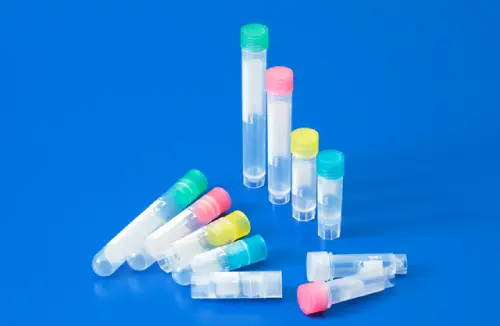
Understanding Cryogenic Vial Construction and Materials
To fully appreciate cryogenic vial safety , one must understand the engineering behind these containers. Most cryogenic vials are made from high-density polyethylene (HDPE) or polypropylene, both of which offer excellent resistance to cold-induced brittleness.
Key Features of High Quality Cryogenic Vials:
Temperature Resistance : Typically rated for use down to -196°C (liquid nitrogen temperature).
Leak Proof Sealing Mechanism : Screw caps or crimp seals that prevent leakage during freezing and thawing.
Chemical Resistance : Resistant to common disinfectants, solvents, and cleaning agents used in labs.
Autoclavability : Some models are designed to be sterilized via autoclaving before use.
Labeling Compatibility : Designed with writable areas or barcode friendly surfaces for accurate tracking.
Types of Cryogenic Vials: Choosing the Right One
Not all cryogenic vials are created equal. Depending on your application, you may require specific types:
1. Screw Cap Cryogenic Vials
These vials feature threaded openings and screw-on lids, making them easy to open and close repeatedly. They are ideal for labs that frequently access stored samples.
2. Crimp Seal Cryogenic Vials
Also known as "serum vials," these are sealed using a special crimping tool. Once sealed, they offer superior leak-proof protection, making them suitable for long-term storage or transport of sensitive materials.
3. Internal Thread vs. External Thread Cryogenic Vials
Internal thread vials have threads inside the neck, allowing for a more secure cap seal.
External thread vials have threads outside the neck, which makes them easier to handle and less prone to cross-contamination.
Each type has its advantages depending on the usage scenario, so choosing the right cryogenic vial requires careful evaluation of your lab’s workflow.
How to Ensure Proper Handling and Storage of Cryogenic Vials?
Even the highest-quality cryogenic vials can fail if not handled properly. Here are some essential safety guidelines:
1. Avoid Thermal Shock
Never place warm or room temperature vials directly into liquid nitrogen or a ULT freezer. Gradually cool them to avoid sudden temperature changes that can cause cracks or leaks.
2. Use Protective Gloves and Goggles
Handling cryogenic vials involves exposure to extreme cold. Always wear insulated gloves and eye protection to prevent frostbite or splash injuries.
3. Inspect Vials Before Use
Check for any visible defects, such as cracks or deformed caps, before filling and sealing. Even minor imperfections can compromise cryogenic vial safety .
4. Proper Labeling Is Crucial
Mislabeling can lead to sample mix-ups or loss of valuable data. Many cryogenic storage vials come with frosted writing areas or are compatible with laser-printed labels and barcodes.
5. Store Vials Upright Whenever Possible
Storing vials upright helps maintain the integrity of the seal and prevents leakage. Consider using vial racks or storage boxes specifically designed for cryogenic applications.
The Role of Cryogenic Vials in Biobanking and Cell Therapy
Biobanks and cell therapy facilities rely heavily on cryogenic vials for preserving stem cells, immune cells, and other living tissues. In these high-stakes environments, cryogenic vial safety becomes even more critical due to the potential life-saving applications of the stored materials.
Regulatory standards such as ISO 14644-1 (cleanroom requirements), FDA Good Tissue Practice (GTP), and AABB accreditation often include strict guidelines on how samples should be stored and monitored — all of which start with the selection of appropriate cryogenic vials and accessories.
Where to Buy Reliable Cryogenic Vials: Wholesale Options and Quality Assurance?
For labs with high volume needs, sourcing wholesale cryogenic vials is both cost effective and operationally efficient. However, not all suppliers meet the same standards.
When selecting a supplier for cryogenic vials wholesale , consider the following:
1. Certifications and Compliance
Ensure the manufacturer complies with international standards such as ISO 13485 (medical device manufacturing), ISO 9001 (quality management), and USP Class VI biocompatibility testing.
2. Product Traceability
High quality manufacturers provide lot numbers and traceability documentation, which is crucial for audit purposes and regulatory compliance.
3. Range of Sizes and Configurations
Different applications may require different sizes (e.g., 0.5 mL, 1.0 mL, 2.0 mL). Choose a supplier that offers a comprehensive range of cryogenic vials and cryogenic tubes .
4. Packaging Options
Some labs prefer individually wrapped sterile vials, while others opt for bulk packaging. Consider your workflow and sterility requirements when placing orders.
Innovations in Cryogenic Vial Design and Safety
As technology advances, so do the features of cryogenic vials . Here are some recent innovations aimed at enhancing cryogenic vial safety :
1. Tamper Evident Seals
Newer models come with tamper-evident designs that indicate whether a vial has been opened or compromised, offering added security for critical samples.
2. RFID Embedded Vials
Some advanced cryogenic storage vials now integrate RFID chips for automated tracking and inventory management, reducing human error and improving lab efficiency.
3. Color Coded Lids and Bodies
Color coded systems help quickly identify sample types or experimental groups, minimizing mix-ups in busy labs.
4. Improved Leak Proof Technologies
Manufacturers are incorporating multi layer sealing mechanisms, such as silicone gaskets or dual seal caps, to enhance leak resistance under extreme conditions.
Common Mistakes That Compromise Cryogenic Vial Safety
Even experienced lab technicians can make errors that jeopardize sample integrity. Here are some common mistakes to avoid:
1. Overfilling Vials
Freezing causes expansion. Overfilled vials can burst or crack under pressure. Always leave space (about 10–15%) for expansion.
2. Using Non Cryogenic Vials for Low Temp Storage
Standard vials are not designed to endure cryogenic temperatures and may shatter or leak, risking both sample and personnel safety.
3. Neglecting to Pre-Cool Vials Before Freezing
Placing warm vials directly into liquid nitrogen can cause rapid cooling and structural failure.
4. Improper Thawing Techniques
Rapid thawing can create internal pressure differences that may cause the vial to explode. Always thaw vials slowly in a water bath at 37°C or lower.
Integrating Cryogenic Vials into Automated Systems
With the rise of automation in life sciences research, many labs are integrating cryogenic vials into robotic sample handling systems. This trend requires vials that are:
Compatible with robotic grippers
Uniform in size and shape
Equipped with machine-readable identifiers (e.g., barcodes or RFID)
Selecting cryogenic tubes and cryogenic vials that support automation ensures seamless integration and minimizes manual intervention.
Case Study: How One Research Lab Improved Cryogenic Vial Safety
A leading university based cancer research center recently faced issues with sample loss due to vial breakage and improper sealing. After switching to certified cryogenic storage vials with internal-thread screw caps and implementing a standardized labeling system, they reported:
85% reduction in sample contamination incidents
Improved inventory accuracy by 90%
Enhanced staff confidence in vial integrity
This real world example highlights the tangible benefits of investing in quality cryogenic vials and adopting best practices.
In conclusion, cryogenic vials are indispensable tools in modern laboratories, but their effectiveness hinges on proper selection, handling, and storage. Whether you're using cryogenic tubes , purchasing wholesale cryogenic vials , or managing a large-scale biorepository, prioritizing cryogenic vial safety ensures the longevity and reliability of your valuable samples.
By staying informed about product specifications, industry innovations, and safe handling procedures, lab professionals can significantly reduce risks and improve overall operational efficiency. Remember, the smallest details — like choosing the right cryogenic vial — can have the biggest impact on your research outcomes.
Yongkang Medical is a reliable China cryogenic vial manufacturer dedicated to producing high quality wholesale cryogenic vial. We specialize in the design and manufacturing of cryogenic tubes, offering customized solutions to meet diverse client needs with outstanding performance. For more information or to place an order, feel free to contact us at: czyk001@163.com or eric@yongkangcn.com.


