English
 हिन्दी
 Melayu
 Español
 Français
 العربية
 Deutsch
 lingua italiana
 shqiptare
 日本語
日本語 Bahasa indonesia
 Nederlands
 Portugues
 한국어
한국어 Filipino
 Pусский
What are micro collection tubes?
Micro collection tubes are small plastic tubes used in medical and laboratory settings to collect and store small volumes of blood or other biological samples. They typically have a capacity of 0.5 mL or less and are designed to be compatible with automated laboratory equipment. Micro collection tubes are available in a range of materials, including plastic and glass, and may feature various additives or coatings to preserve the integrity of the sample. They may also be color-coded or labeled to indicate the type of sample collected or the intended use of the tube.
Micro collection tubes may be used for a variety of purposes, including blood glucose testing, blood gas analysis, and molecular diagnostic testing. They may also be used to collect and store small volumes of serum or plasma for future analysis.

Component of micro blood collection tube:
Micro blood collection tubes typically consist of the following components:
. Tube body: This is the main part of the tube and is usually made of plastic or glass. The tube body is designed to hold a small volume of blood or other biological sample, typically ranging from 0.2 to 0.5 mL.
. Cap: The cap is used to seal the tube and prevent contamination or leakage of the sample. The cap may be made of a variety of materials, including plastic or rubber, and may feature a color-coded label to indicate the type of sample collected or the intended use of the tube.
. Additives: Some micro blood collection tubes contain additives that help preserve the integrity of the sample or enhance its properties for specific laboratory tests. Common additives include anticoagulants, clot activators, and preservatives.
. Label: Each micro blood collection tube is typically labeled with a unique identifier, such as a barcode or alphanumeric code, to help track the sample throughout the testing process. The label may also include information about the patient, the type of sample collected, and the date and time of collection.
What are microtainer tubes used for?
Microtainer tubes are a type of micro blood collection tube that are used to collect and store small volumes of blood or other biological samples. They are designed to be used with a lancet or other small needle to obtain a capillary blood sample, which is then transferred into the microtainer tube for testing. Microtainer tubes are available in a range of sizes and with various additives or coatings, depending on the specific needs of the testing application.
Microtainer tubes are commonly used in medical and laboratory settings for a variety of purposes, including:
1. Blood glucose testing: Microtainer tubes may be used to collect capillary blood samples for glucose testing, which is commonly used to monitor blood sugar levels in patients with diabetes.
2. Hematology testing: Microtainer tubes may be used to collect small volumes of blood for hematology testing, which includes tests to measure red blood cells, white blood cells, and platelets.
3. Coagulation testing: Microtainer tubes may be used to collect blood samples for coagulation testing, which includes tests to evaluate the clotting properties of blood.
4. Point-of-care testing: Microtainer tubes may be used for point-of-care testing, which includes testing that is performed at the patient's bedside or in a physician's office, rather than in a centralized laboratory.
What is the proper collection for micro collection tubes?
The proper collection technique for micro collection tubes depends on the type of sample being collected and the specific requirements of the laboratory test or analysis being performed. However, some general guidelines for proper collection of blood samples using micro collection tubes include:
1. Follow proper hand hygiene and wear appropriate personal protective equipment, such as gloves, to reduce the risk of contamination.
2. Select the appropriate site for sample collection, which may depend on the age of the patient, the type of sample being collected, and other factors.
3. Clean the site with an antiseptic solution and allow it to dry before proceeding with the collection.
4. If using a lancet or other needle to collect the sample, follow proper technique to minimize pain and discomfort for the patient.
5. Collect the sample directly into the micro collection tube, taking care to avoid overfilling the tube or introducing air bubbles.
6. Mix the sample with any required additives or anticoagulants by gently inverting the tube several times.
7. Label the tube with the patient's name, date and time of collection, and any other relevant information.
8. Store the sample appropriately, which may involve refrigeration or freezing, depending on the requirements of the test or analysis.
It is important to follow the specific instructions provided by the laboratory or healthcare provider regarding proper collection techniques for micro collection tubes, as these may vary depending on the specific requirements of the test or analysis.
Are micro collection tubes color coded?
Yes, micro collection tubes are often color-coded to indicate the type of additive or anticoagulant contained in the tube or to indicate the type of sample being collected. This helps to ensure that the sample is collected and processed correctly for the intended test or analysis.
The specific color-coding scheme used for micro collection tubes may vary depending on the manufacturer or the specific laboratory or healthcare facility. However, some common color codes for micro collection tubes include:
. Red: Contains no additive or clot activator for serum separation.
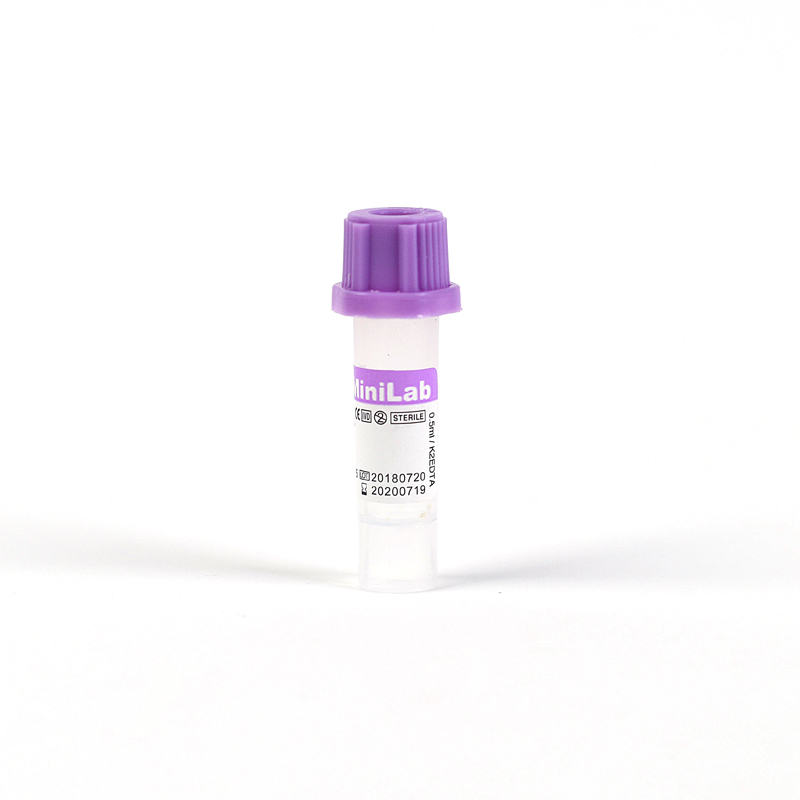
. Lavender or purple: Contains an anticoagulant, typically EDTA, for whole blood or plasma collection.
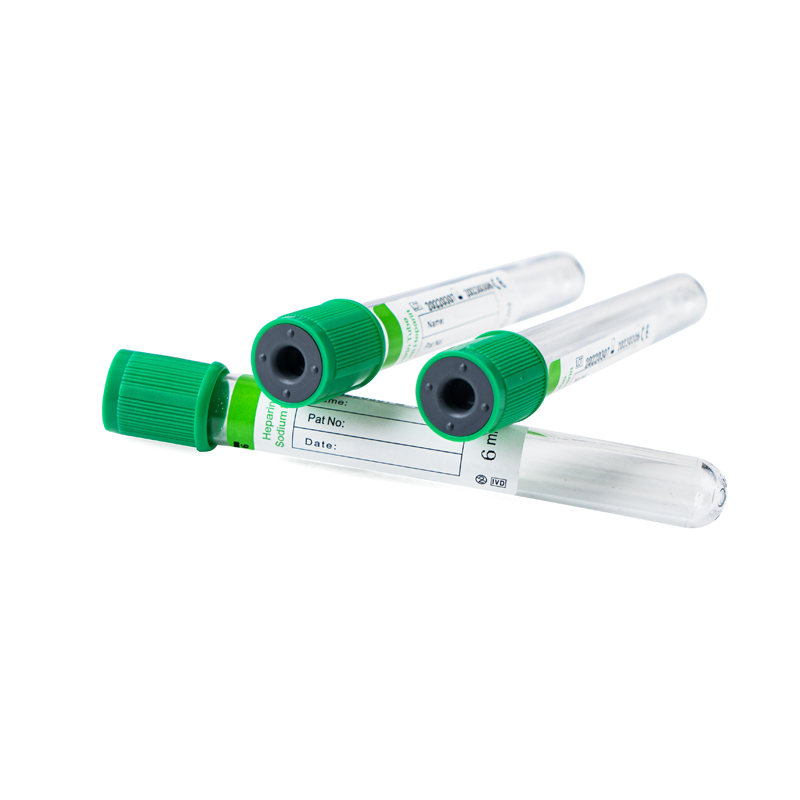
. Green: Contains an anticoagulant, typically heparin, for plasma collection.
. Gray: Contains a preservative, typically sodium fluoride or potassium oxalate, for glucose testing.
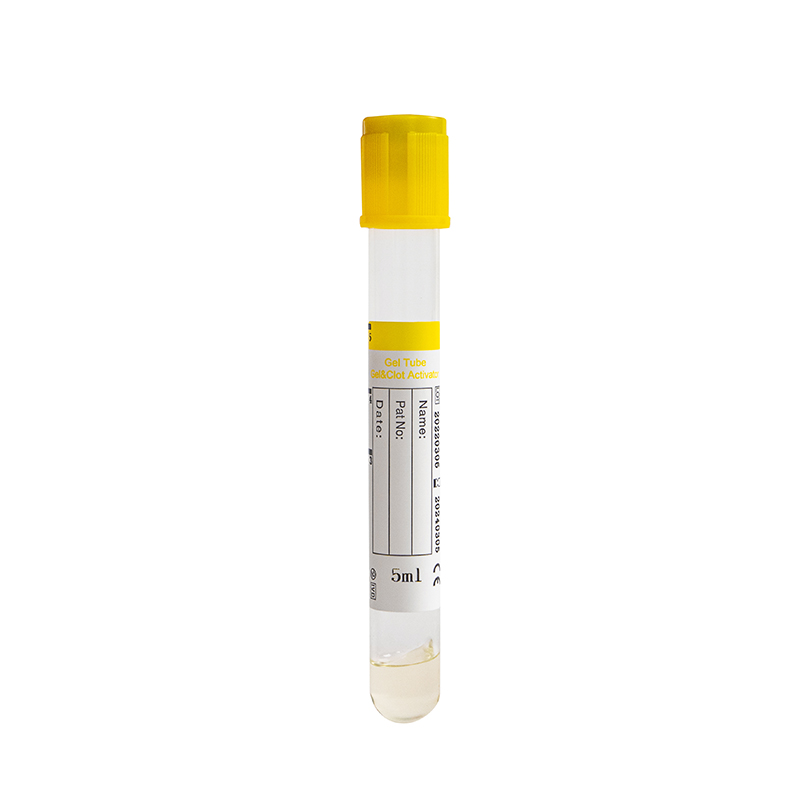
. Yellow: Contains an anticoagulant and a clot activator for serum separation.
. Light blue: Contains an anticoagulant, typically citrate, for coagulation testing.
It is important to check the label or packaging of micro collection tubes before use to confirm the correct color code and to follow any specific instructions provided by the laboratory or healthcare provider regarding proper use and handling.
Steps for collecting blood by using micro collection tubes:
The specific steps for collecting blood using micro collection tubes may vary depending on the type of sample being collected and the specific requirements of the laboratory test or analysis being performed. However, some general steps for collecting blood using micro collection tubes include:
1. Wash your hands thoroughly and put on gloves and other personal protective equipment as required.
2. Select the appropriate site for sample collection, which may depend on the age of the patient, the type of sample being collected, and other factors.
3. Clean the site with an antiseptic solution and allow it to dry before proceeding with the collection.
4. If using a lancet or other needle to collect the sample, follow proper technique to minimize pain and discomfort for the patient.
5. Place the micro collection tube in a suitable holder or adapter, with the open end facing upwards.
6. Carefully puncture the skin with the lancet or needle and allow a small drop of blood to form.
7. Touch the open end of the micro collection tube to the drop of blood, taking care not to touch the skin or surrounding area.
8. Allow the tube to fill with blood by capillary action. Do not apply excessive pressure or force to the skin or surrounding tissue.
9. When the tube is full, remove it from the holder or adapter and gently mix the sample with any required additives or anticoagulants by inverting the tube several times.
10. Label the tube with the patient's name, date and time of collection, and any other relevant information.
11. Store the tube appropriately, following any specific instructions provided by the laboratory or healthcare provider regarding storage and transport.
It is important to follow the specific instructions provided by the laboratory or healthcare provider regarding proper collection techniques for micro collection tubes, as these may vary depending on the specific requirements of the test or analysis.
Matters need attention by using micro collection tubes:
When using micro collection tubes for blood collection, there are several important considerations to keep in mind to ensure accurate and reliable test results. Some of these include:
. Proper labeling: Accurate labeling of the micro collection tubes is critical to ensure that the sample is correctly identified and matched with the appropriate patient. Be sure to label each tube with the patient's name, date and time of collection, and any other relevant information.
. Proper mixing: Many micro collection tubes contain additives or anticoagulants that need to be mixed with the blood sample to prevent clotting or preserve the integrity of the sample. Be sure to mix the sample thoroughly by gently inverting the tube several times, taking care not to introduce air bubbles.
. Proper filling: Micro collection tubes are designed to collect a specific volume of blood, which is typically smaller than standard blood collection tubes. Be sure to collect the appropriate volume of blood according to the manufacturer's instructions or the specific requirements of the laboratory or healthcare provider.
. Proper storage: Micro collection tubes should be stored at the appropriate temperature and humidity conditions to ensure sample stability and integrity. Be sure to follow any specific instructions provided by the laboratory or healthcare provider regarding storage and transport.
. Proper disposal: Micro collection tubes are considered biohazardous waste and should be disposed of in accordance with local regulations and guidelines.
It is important to follow the specific instructions provided by the laboratory or healthcare provider regarding the use of micro collection tubes, as the requirements may vary depending on the specific test or analysis being performed. By following these guidelines and paying close attention to details, you can help ensure accurate and reliable test results.
Yongkang Medical is a global medical technology company that produces a wide range of products for medical and laboratory applications, including micro collection tubes. Our product line includes tubes with different additives and anticoagulants, as well as accessories such as holders and adapters. Yongkang Medical also offers a variety of services, including custom labeling and packaging.
We have a strong reputation for producing high-quality products and providing excellent customer service. Contact us to select micro collection tubes, and get the best price.