
 English
 हिन्दी
 Melayu
 Español
 Français
 العربية
 Deutsch
 lingua italiana
 shqiptare
 日本語
日本語 Bahasa indonesia
 Nederlands
 Portugues
 한국어
한국어 Filipino
 Pусский
What factors should be considered when selecting the appropriate micro collection tube for a specific application?
When selecting the appropriate micro collection tube for a specific application, several factors should be considered. These factors include:
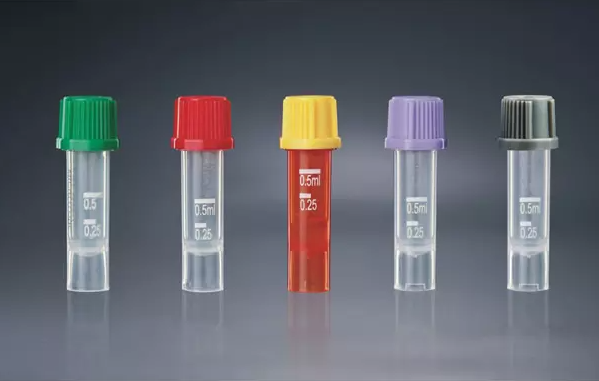
1. Type of test: The type of test that will be performed is the most important factor to consider when selecting a micro collection tube. Different tubes contain different additives or anticoagulants that are specific to the type of test being performed, and using the wrong tube can lead to inaccurate results.
2. Sample volume: The required sample volume for the specific test should be considered, as different micro collection tubes have different volume capacities.
3. Sample stability: Some tests require that the sample be processed within a certain amount of time after collection, while others may require a specific storage temperature or duration. The appropriate micro collection tube should be selected based on the specific requirements for sample stability.
4. Patient factors: Patient factors, such as age, medical history, and medication use, may also influence the selection of the appropriate micro collection tube. For example, patients with clotting disorders may require a different anticoagulant than those without a clotting disorder.
5. Compatibility with laboratory equipment: Some micro collection tubes are more compatible with certain laboratory equipment than others. It is important to consider the compatibility of the tube with the laboratory equipment being used to ensure accurate results.
6. Cost: Finally, the cost of the micro collection tube should be considered, as some tubes may be more expensive than others. However, cost should not be the primary factor in selecting a tube, as accuracy and reliability are more important for obtaining accurate test results.
How are micro blood collection tubes labeled and tracked to ensure proper sample identification?
Micro blood collection tubes are labeled and tracked to ensure proper sample identification and prevent errors in the laboratory. Here are some of the common methods used to label and track micro collection tubes:
1. Barcode labels: Barcode labels are often used to label micro blood collection tubes, and they can be scanned using barcode readers to track the samples throughout the testing process.
2. Unique identifier numbers: Each micro blood collection tube is assigned a unique identifier number, which is recorded in a laboratory information system (LIS). This number is used to track the sample throughout the testing process.
3. Patient information: The micro blood collection tube is labeled with the patient's information, including their name, date of birth, and any other relevant information. This helps to ensure that the sample is properly matched to the correct patient.
4. Color-coded caps: Micro blood collection tubes may have color-coded caps to indicate the type of additive or anticoagulant in the tube. This helps to ensure that the appropriate tube is used for the specific test being performed.
5. Chain of custody: The chain of custody refers to the documentation of the movement of the sample from the patient to the laboratory. This documentation includes the time and date of collection, the person who collected the sample, and any other relevant information. This helps to ensure that the sample is properly tracked and identified throughout the testing process.
Overall, the labeling and tracking of micro collection tubes is a critical component of the laboratory testing process, and strict protocols are in place to ensure accurate sample identification and prevent errors.
How are micro vacutainer used in point-of-care testing and other rapid diagnostic applications?
Micro vacutainers are commonly used in point-of-care testing (POCT) and other rapid diagnostic applications due to their small size and convenience. Here are some of the ways that micro vacutainers are used in POCT and other rapid diagnostic applications:
1. Fingerstick blood collection: Micro vacutainers are often used for fingerstick blood collection, which is a quick and convenient way to collect a small volume of blood from a patient. This type of blood collection is commonly used in POCT settings for tests such as glucose, hemoglobin A1C, and cholesterol.
2. Rapid diagnostic tests: Micro vacutainers can be used as part of rapid diagnostic tests, which are designed to provide results quickly and with minimal laboratory processing. Examples of rapid diagnostic tests that use micro vacutainers include rapid HIV tests, pregnancy tests, and strep throat tests.
3. Emergency department testing: Micro vacutainers are commonly used in emergency department settings for rapid testing of patients with critical conditions, such as heart attacks and strokes. Tests such as troponin and D-dimer can be performed quickly using micro vacutainers, allowing for rapid diagnosis and treatment.
4. Point-of-care testing in remote locations: Micro vacutainers are well-suited for use in remote locations where access to laboratory testing may be limited. They can be used to collect blood samples for POCT for a range of conditions, including infectious diseases, chronic diseases, and pregnancy.
How do microcollection tubes support the collection and analysis of small volume samples, such as neonatal blood or capillary blood?
Microcollection tubes are specifically designed to support the collection and analysis of small volume samples, such as neonatal blood or capillary blood. Here are some of the ways that microcollection tubes support the collection and analysis of small volume samples:
1. Precise volume measurements: Microcollection tubes are designed to collect and measure very small volumes of blood, typically between 100 and 500 microliters. This enables accurate and precise measurements of analytes in the sample.
2. Enhanced capillary blood collection: Microcollection tubes are often used for capillary blood collection, which involves pricking the skin with a lancet to obtain a small droplet of blood. The small size of microcollection tubes is ideal for collecting these small droplets, and the tubes often come with features such as capillary action or internal coatings that enhance the collection of capillary blood.
3. Anticoagulants and preservatives: Microcollection tubes often contain anticoagulants and preservatives that prevent clotting and stabilize the sample for analysis. These are especially important for small volume samples, which are more prone to clotting and degradation.
4. Compatibility with automation: Microcollection tubes are often compatible with automated processing systems, which can help improve efficiency and reduce errors in sample processing and analysis. This is particularly important for small volume samples, which can be more difficult to process manually.
5. Customization for specific applications: Microcollection tubes can be customized for specific applications, such as neonatal blood collection or capillary blood collection. This customization can include specialized coatings, anticoagulants, or preservatives that are tailored to the specific needs of the sample.
Yongkang medical is a professional microcollection tubes supplier, we have rich experience in manufacturing micro vacutainer, contact us to order micro blood collection tubes.


