
 English
 हिन्दी
 Melayu
 Español
 Français
 العربية
 Deutsch
 lingua italiana
 shqiptare
 日本語
日本語 Bahasa indonesia
 Nederlands
 Portugues
 한국어
한국어 Filipino
 Pусский
Microcentrifuge tubes are essential tools in laboratories, used for various applications, including the preparation, storage, and centrifugation of small volumes of liquids. These tubes, often referred to as microfuge tubes or microtubes, come in various sizes and materials, making them versatile for different experimental needs. This article addresses some frequently asked questions about microcentrifuge tubes to help you understand their usage and benefits better.
What are Microcentrifuge Tubes?
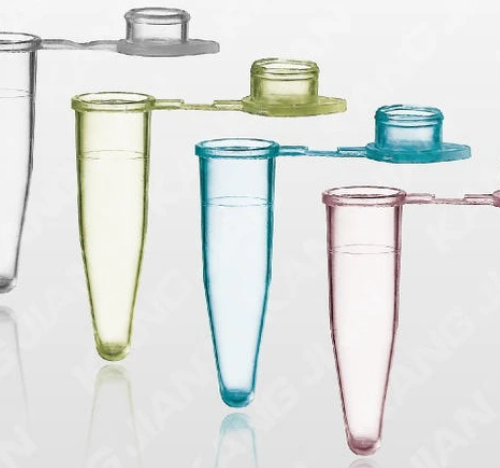
Microcentrifuge tubes are small, cylindrical containers used in laboratory settings to hold liquid samples during centrifugation. They are typically made from high-quality plastic, such as polypropylene, which is resistant to chemicals and can withstand high centrifugal forces. These tubes are commonly available in volumes ranging from 0.2 mL to 2.0 mL.
What are the Common Sizes of Microcentrifuge Tubes?
Microcentrifuge tubes come in various sizes, with the most common being:
0.2 mL: Often used in PCR applications.
0.5 mL: Suitable for small-volume sample preparation.
1.5 mL: The standard size for many laboratory applications.
2.0 mL: Used for larger sample volumes or when higher yields are needed.
What Materials are Microcentrifuge Tubes Made From?
The majority of microcentrifuge tubes are made from polypropylene due to its durability, chemical resistance, and ability to withstand high temperatures. Some tubes are made from polyethylene, which is also chemically resistant but not as heat resistant as polypropylene.
What are the Key Features of Microcentrifuge Tubes?
Graduation Marks: Many tubes have graduation marks to help measure the volume of the sample accurately.
Snap Cap or Screw Cap: Tubes come with either a snap-cap or screw-cap design. Snap-caps are convenient for quick opening and closing, while screw-caps provide a more secure seal.
Clear or Colored: Clear tubes allow for easy visual inspection of the sample, whereas colored tubes can help with sample identification and minimize light exposure.
Sterility: Some tubes are pre-sterilized to prevent contamination, especially important in sensitive applications like molecular biology.
Autoclavable: Many microcentrifuge tubes can be autoclaved, meaning they can withstand high pressure steam sterilization.
How Do You Properly Use Microcentrifuge Tubes?
Filling: Do not overfill the tubes. Leave some headspace to prevent leakage during centrifugation.
Balancing: Ensure that the tubes are balanced in the centrifuge. This means placing tubes of equal volume opposite each other in the rotor.
Capping: Ensure that the caps are securely closed before centrifugation to prevent spills and contamination.
Labeling: Clearly label each tube to avoid mix-ups.
What is the Maximum Centrifugal Force Microcentrifuge Tubes Can Withstand?
Most polypropylene microcentrifuge tubes can withstand centrifugal forces up to 20,000 x g, although this can vary depending on the tube’s design and manufacturer. Always check the manufacturer's specifications to ensure the tubes can handle the required centrifugal force for your experiments.
Are Microcentrifuge Tubes Reusable?
Microcentrifuge tubes are generally considered single-use to avoid cross-contamination. However, some labs may reuse them for non-critical applications after proper cleaning and sterilization. It is essential to evaluate the risks and ensure that reused tubes do not compromise the integrity of your experiments.
How Do You Dispose of Microcentrifuge Tubes?
Used microcentrifuge tubes should be disposed of according to your institution's guidelines for biohazardous waste. This often involves placing them in designated biohazard containers for proper disposal.
Can Microcentrifuge Tubes Be Used for Long-term Storage?
Microcentrifuge tubes made from high-quality polypropylene can be used for long-term storage of samples, especially at low temperatures. Ensure the tubes are tightly sealed and stored under appropriate conditions to maintain sample integrity.
What are Some Common Applications of Microcentrifuge Tubes?
Sample Preparation: Mixing, diluting, and aliquoting samples.
Centrifugation: Separating components based on density.
PCR: Preparing samples for polymerase chain reaction (PCR).
Storage: Short-term and long-term storage of biological samples.
Extraction: Isolating nucleic acids or proteins from samples.
Comparing Microcentrifuge Tubes with Eppendorf Tubes
Microcentrifuge tubes and Eppendorf tubes are often mentioned interchangeably, but there are distinct differences worth noting:
Brand Recognition: Eppendorf is a well known brand that has become synonymous with high quality lab consumables, including their line of microcentrifuge tubes. The term "Eppendorf tube" is sometimes used generically to refer to microcentrifuge tubes, although it specifically refers to products made by the Eppendorf company.
Quality and Precision: Eppendorf tubes are renowned for their high manufacturing standards, ensuring consistent quality and precision. While other microcentrifuge tubes may also be of high quality, Eppendorf tubes are often preferred in critical applications where precision is paramount.
Features: Eppendorf tubes often include additional features such as improved cap design for a more secure seal, clearer graduation marks, and higher clarity for better visibility of the contents. These features can enhance the user experience and reliability in the lab.
Cost: Eppendorf tubes tend to be more expensive than generic microcentrifuge tubes due to their brand reputation and added features. Laboratories with limited budgets might opt for non-branded tubes to reduce costs while still maintaining acceptable performance levels.
Availability: Eppendorf products are widely available and can be easily sourced from various scientific suppliers. Generic microcentrifuge tubes, on the other hand, may vary in availability and quality depending on the supplier.
Best Practices for Reusing Microcentrifuge Tubes
Cleaning Protocol:
Rinse the tubes immediately after use to prevent residues from drying.
Soak in a suitable detergent solution to break down any remaining substances.
Rinse thoroughly with distilled water to remove all traces of detergent.
Sterilization:
Autoclave the tubes at the appropriate temperature and pressure settings for plastic materials.
Ensure that the caps are loosely fitted during autoclaving to allow steam penetration.
Storage:
Store the cleaned and sterilized tubes in a clean, dry environment to prevent contamination before reuse.
Use a labeling system to track the number of times each tube has been used and autoclaved.
In summary, while both microcentrifuge tubes and Eppendorf tubes serve the same fundamental purpose, Eppendorf tubes are often chosen for their reliability, precision, and enhanced features. However, for routine applications where budget constraints are a consideration, high-quality generic microcentrifuge tubes can be a viable alternative. The choice between the two ultimately depends on the specific needs and priorities of your laboratory work.
For laboratories seeking superior performance and environmental responsibility, Yongkang Medical’s micro centrifuge tube provide an indispensable solution. Contact us to order laboratory microcentrifuge tube! Emails: czyk001@163.com or eric@yongkangcn.com


