
 English
 हिन्दी
 Melayu
 Español
 Français
 العربية
 Deutsch
 lingua italiana
 shqiptare
 日本語
日本語 Bahasa indonesia
 Nederlands
 Portugues
 한국어
한국어 Filipino
 Pусский
In any laboratory setting, precision and accuracy are key, particularly in chemistry where the slightest discrepancy in measurements can lead to vastly different outcomes. One tool that plays a critical role in this precision driven environment is the chemistry weighing boat. This small yet indispensable piece of equipment is fundamental to weighing tasks, especially when handling fine powders, small quantities of liquids, and other substances that require careful measurement. This article delves into the various aspects of the chemistry weighing boat, highlighting its importance, types, and how to choose the right one for specific lab needs.
What is a Chemistry Weighing Boat?
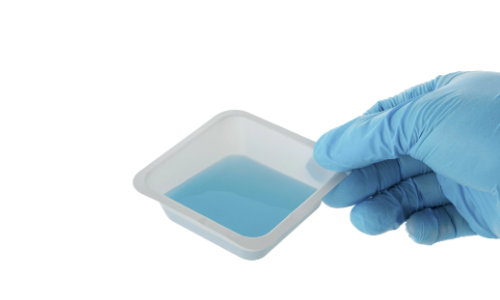
A chemistry weighing boat is a container specifically designed for use on a laboratory scale. The weighing tray chemistry’s primary function is to hold substances being measured, particularly solids and powders, to ensure precision and to prevent contamination. Weighing boats are made from various materials and are crafted to be lightweight, durable, and disposable. They come in different shapes and sizes, which makes them versatile for a range of applications within chemical labs, biology labs, and educational settings.
Why is a Weighing Boat Essential?
Weighing boats are essential tools in chemistry for several reasons:
Ensuring Accurate Measurements: When weighing small quantities of substances, every milligram counts. Chemistry weighing boats provide a stable platform to contain materials, which reduces the risk of spills or material loss, ensuring accurate results.
Preventing Contamination: In chemistry, cross contamination can ruin experiments and impact results. Weighing tray chemistry helps prevent this by providing a clean, single use container for each measurement.
Easy Transfer: Weighing tray chemistry is often designed with smooth surfaces and flexible shapes that make it easy to pour measured substances into reaction vessels without leaving any residue.
Protecting Sensitive Balances: Chemistry lab balances are delicate and expensive. By using a weighing boat, the user minimizes the direct contact of chemicals with the balance surface, protecting the equipment from corrosive substances.
Types of Chemistry Weighing Boats
Chemistry weighing boats come in various types, each suited to different lab applications and needs. Here are some common types available:
Plastic Weighing Boats: The Weighing tray chemistry is widely used in most laboratory settings. Made from materials like polypropylene or polystyrene, plastic weighing boats are resistant to many chemicals, lightweight, and disposable. They are commonly used for solid and powdered chemicals.
Aluminum Weighing Boats: Known for their high heat resistance, aluminum weighing boats are suitable for use with substances that require heating. They are commonly used in gravimetric analysis and other applications involving heat.
Biodegradable Weighing Boats: As environmental awareness grows, some manufacturers offer biodegradable options made from plant based or eco friendly materials. These are a suitable choice for labs looking to reduce their environmental footprint.
Antistatic Weighing Boats: For labs dealing with fine powders or substances prone to static, antistatic weighing boats are designed to prevent powders from clinging to the surface due to static electricity. This makes them ideal for weighing fine particles with minimal interference.
Selecting the Right Weighing Boat for Your Lab
When choosing a chemistry weighing boat, several factors should be considered to ensure you select the best option for your application:
Material Compatibility: Different Weighing tray chemistry materials react differently with chemicals. For instance, plastic boats may react with solvents or strong acids, while aluminum boats are unsuitable for applications with highly corrosive chemicals.
Size and Shape: Weighing boats come in various sizes, from small micro sized options to larger containers. Choose a size appropriate for the quantity of substance you are weighing to avoid spillage and ensure ease of handling.
Cost Effectiveness: Disposable weighing boats are convenient, but for high frequency use, consider their cost per unit. Bulk purchasing can often reduce the cost.
Temperature Tolerance: If your experiments involve high temperatures, aluminum weighing boats may be a better choice than plastic, which can deform or melt under heat.
Environmental Impact: Labs concerned with environmental impact may prefer biodegradable weighing boats, particularly for routine tasks where disposability is necessary.
Applications of Chemistry Weighing Boats in the Laboratory
Chemistry weighing boats are used in a variety of applications across scientific fields. Below are some examples:
Analytical Chemistry: In quantitative analysis, precision is crucial. Weighing boats are often used to measure reagents accurately before they are dissolved or transferred to reaction vessels.
Pharmaceutical Chemistry: Weighing boats are used in drug formulation and testing, where exact measurements of powders and active ingredients are required to ensure product quality and consistency.
Environmental Testing: In environmental chemistry, plastic weighing trays are useful for measuring soil, sediment, or other particulate samples with minimal contamination risk.
Biotechnology and Life Sciences: Plastic weighing trays are frequently used in biotechnology labs for handling powdered media, reagents, and other materials.
Proper Use of a Chemistry Weighing Boat
While a chemistry weighing boat is straightforward in design, proper usage is essential for maintaining accuracy. Below are some tips to make the most of this laboratory tool:
Zeroing the Balance: Always zero the balance with the empty weighing boat on it. This step, also known as taring, ensures that the balance only measures the sample weight, excluding the boat.
Use Smooth Tools: When transferring powders into or out of a weighing boat, use a spatula or scoop to avoid spilling. Smooth tools prevent clumping and reduce errors.
Dispose or Clean Appropriately: Although many weighing boats are disposable, some, particularly those made of aluminum, can be reused. Always follow lab protocol for cleaning or disposal to avoid contamination.
Labeling: If multiple weighing boats are in use, label each to ensure samples do not get mixed up. This practice is particularly helpful in busy lab settings.
Benefits of Disposable Weighing Boats
Disposable weighing boats offer unique advantages that make them indispensable in laboratories:
Time Savings: Eliminates the need to clean the boat after each use, saving time, especially in labs with high sample volumes.
Reduced Contamination: Using a fresh Weighing tray chemistry for each sample minimizes contamination risk, improving result reliability.
Consistency: Disposable plastic weighing trays provide consistency in size and material, reducing variability in measurement processes.
Choosing Sustainable Chemistry Weighing Boats
With the increasing emphasis on sustainable practices, some labs now prioritize eco friendly weighing options. Biodegradable weighing boats, often made from materials like starch or biodegradable plastics, offer a solution. While these options are more costly than traditional plastic, they can reduce the environmental impact of laboratory waste. Choosing the right balance between cost, disposability, and environmental impact is essential for labs that prioritize green practices.
The Future of Chemistry Weighing Boats
As technology and materials science evolve, new innovations in plastic weighing trays are emerging. Some manufacturers are working on reusable models made from highly inert materials that do not require frequent replacement. Others are developing smarter weighing boats that could potentially integrate with digital scales to enhance precision in measurement. These advancements will not only improve accuracy but also contribute to sustainable laboratory practices.
The chemistry weighing boat may seem like a simple tool, but it is essential to achieving precision in the lab. It plays a pivotal role in protecting delicate balances, ensuring accurate measurements, and maintaining cleanliness and organization. Whether made of plastic, aluminum, or biodegradable materials, weighing boats are a versatile tool that meets the diverse needs of modern laboratories. By understanding the various types of weighing boats and their specific applications, labs can select the ideal solution to streamline their processes and enhance the accuracy of their measurements. The chemistry weighing boat is indeed an indispensable tool, making it easy to achieve precision at every measure.
Yongkang Medical is a leading manufacturer and supplier of high quality weighing tray chemistry. We specialize in designing and producing innovative products that meet the needs of our customers and exceed their expectations. Buy plastic weighing trays online, just contact us: czyk001@163.com or eric@yongkangcn.com


