
 English
 हिन्दी
 Melayu
 Español
 Français
 العربية
 Deutsch
 lingua italiana
 shqiptare
 日本語
日本語 Bahasa indonesia
 Nederlands
 Portugues
 한국어
한국어 Filipino
 Pусский
Urinalysis holds a pivotal role in laboratory diagnostics, offering crucial insights into the presence of a diverse range of diseases, ranging from diabetes and kidney damage to urinary tract infections. To facilitate the collection of urine for subsequent examination, specialized containers like urine collection cups and bottles are employed.
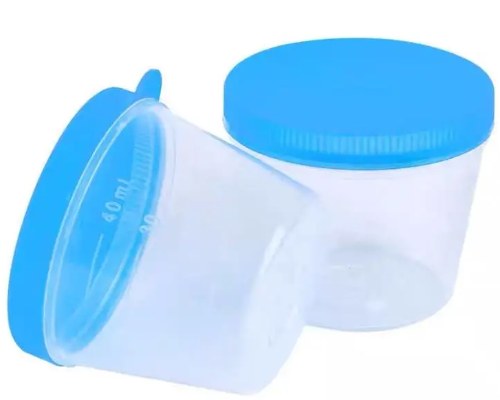
These sterile specimen cups, typically crafted from durable and unbreakable materials such as polypropylene (PP), are designed with either snap on lids or screw caps. In cases where the urine analysis is conducted off-site at a laboratory, urine cups equipped with screw caps are preferred. The standard capacity of urine cups, as provided by Yongkang Medical, is commonly 50ml. This ensures a secure and leak proof containment of the urine sample during transport to the laboratory for detailed analysis.
Typically, urine collection containers are equipped with graduated markings, facilitating the precise measurement and documentation of urine volume. In addition, many specimen collection containers include a designated labeling area, where patient information can be inscribed on the lid using a permanent marker. To ensure a secure and hygienic collection process while streamlining handling, urine cups commonly feature a spacious diameter. This design allows for the direct and straightforward dispensing of the urine sample into the cup.
What Are Urine Tests Used For?
Urine tests serve a diverse range of diagnostic purposes, encompassing confirmation of pregnancy, detection of infections such as UTIs or STIs, assessment of kidney function, monitoring conditions like diabetes and bladder cancer, and scrutinizing drug use for legal or pre-employment screening.
Urine, generated in the kidneys and traversing the urinary tract (ureters, bladder, and urethra), constitutes primarily water (approximately 99%). The remaining 1% comprises urea, uric acid, ammonia, hormones, dead blood cells, proteins, salts and minerals, and toxins. As a waste product, urine provides valuable insights into the body's elimination of unnecessary chemicals. This dual nature of expelling and retaining substances allows urine tests to offer significant information about an individual's health.
For instance, individuals with kidney disease undergo both urine and blood tests to monitor their condition. Urine analysis involves the assessment of albumin, a type of protein. Elevated levels of albumin in urine may indicate inadequate blood filtration by the kidneys. Simultaneously, blood tests measure creatinine, a waste product originating from muscle tissue. Damaged kidneys struggle to efficiently remove creatinine from the blood, making this analysis a crucial indicator of kidney function.
Some of the key objectives and applications of urine specimen cup include:
Diagnostic Testing: Urine samples are routinely analyzed to assess various health aspects, including kidney function, glucose levels, signs of infection, and drug or substance presence. The collected urine provides valuable information for diagnosing and monitoring medical conditions.
Medical Screening: Urinalysis is a common screening tool in medical check-ups. Collection containers enable individuals to provide urine samples for routine health assessments, helping healthcare professionals identify potential issues or irregularities.
Drug Testing: Urine collection containers are used in drug testing programs, whether in healthcare settings, workplaces, or athletic organizations. They allow for the collection of urine specimens to screen for the presence of drugs or their metabolites.
Pregnancy Testing: Home pregnancy tests often involve the use of urine collection containers. Women can collect a urine sample, and the container is designed for compatibility with pregnancy test kits that detect the presence of human chorionic gonadotropin (hCG), a hormone produced during pregnancy.
Research Studies: In scientific research, urine samples may be collected for studies related to various aspects of human health, genetics, or environmental exposure. Specialized urine collection containers may be used based on the specific requirements of the research.
Pediatric and Geriatric Care: Urine sample collection container with child friendly designs or features to aid older adults may be used for collecting urine samples from pediatric or geriatric patients, ensuring a comfortable and convenient process.
The design of urine collection containers takes into account the need to maintain sample integrity, prevent contamination, and ease the process of collection. These containers play a crucial role in supporting accurate and reliable diagnostic and research outcomes.
Collection
In general, the time of day for collecting a urine sample is flexible, but there are occasional exceptions. For instance, your doctor might request a first-morning sample because urine is more concentrated at that time, making it more likely to reveal any abnormalities. Alternatively, if the doctor is specifically checking for glucose in the urine, they may ask you to collect a sample after a meal.
Typically, you will be instructed to provide a "mid-stream" sample. Since urine is naturally sterile, the detection of bacteria in a test can indicate an infection. Obtaining a sample from the middle of the stream helps minimize the risk of contamination from bacteria and cells on the surrounding skin. This precaution is crucial, as improper collection leading to contamination may necessitate providing a second sample or even result in unnecessary treatment.
What Happens To Your Urine Once It’s In The Lab?
Fortunately for laboratory staff, technological advancements have significantly transformed urine testing procedures over the years. In Medieval Europe, doctors relied on observing the smell, consistency, and even taste of urine for diagnostic purposes.
In contemporary times, urine analysis has become more scientifically rigorous. For conditions like a urinary tract infection (UTI), the initial step typically involves a point-of-care test conducted by a doctor, where they dip a specially treated strip into a urine sample.
The strip undergoes a color change based on the diagnosis. Detection of white blood cells, blood, or nitrites suggests a potential infection. Subsequently, the sample is sent to a laboratory for more comprehensive testing. In the lab, a scientist examines the sample to confirm the presence of white blood cells and bacteria. They can also conduct tests to determine the most effective antibiotic, a crucial step in addressing antibiotic resistance.
While modern lab technicians don't taste urine samples, there is a historical connection to Medieval practices. Certain characteristics, such as a strong odor indicating a potential urinary tract infection, a sweet smell suggesting diabetes, cloudy urine signaling infection, or pinkish-colored urine indicating the presence of blood, align with observations made by Medieval doctors, albeit with contemporary scientific validation.
Yongkang Medical is a company that specializes in the manufacturing and distribution of high quality urine collection container for medical applications or labs. Contact us to order urine sample cups.


