
 English
 हिन्दी
 Melayu
 Español
 Français
 العربية
 Deutsch
 lingua italiana
 shqiptare
 日本語
日本語 Bahasa indonesia
 Nederlands
 Portugues
 한국어
한국어 Filipino
 Pусский
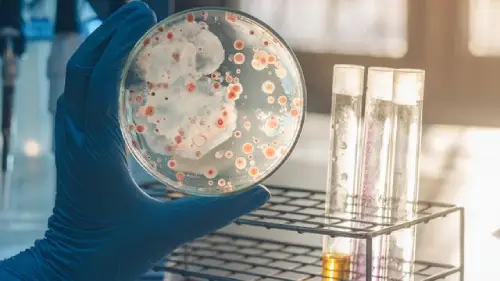
In microbiology, cell biology, and clinical diagnostics, the culture plate is one of the most fundamental tools used to grow, isolate, and study microorganisms. Whether you're working in a research lab, hospital setting, or educational facility, understanding what are culture plates and how they function is essential for accurate experimentation and microbial analysis.
A culture plate, also known as a Petri dish, is a flat, shallow container typically made from plastic or glass. It is used to hold a solid growth medium—usually agar supplemented with nutrients—that supports the proliferation of bacteria, fungi, or other small organisms. These plates allow scientists to observe colony morphology, perform antibiotic susceptibility testing, and identify unknown pathogens based on growth characteristics.
Understanding the Culture Plate Method: Principles and Uses
The culture plate method refers to the standard procedure used to cultivate microorganisms under controlled conditions. This technique involves inoculating a sterile culture plate containing nutrient-rich media with a sample—such as a swab, liquid culture, or environmental specimen—and then incubating it at an optimal temperature to promote microbial growth.
This method is widely used in:
Clinical microbiology for diagnosing infections
Environmental studies to assess microbial contamination
Food safety testing to detect spoilage organisms or pathogens
Research labs for isolating pure bacterial strains
By observing the resulting colonies, researchers can determine the presence, abundance, and identity of specific microbes in a given sample.
Types of Bacteria Culture Plates and Their Applications
There are several types of bacteria culture plates , each designed for specific experimental needs. The choice of plate depends on the organism being studied, the type of media used, and whether selective or differential properties are required.
General Purpose Media Plates
These include nutrient agar plates that support the growth of a wide variety of non-fastidious bacteria. They are commonly used in teaching labs and basic microbiology studies.
Selective Media Plates
Selective bacteria culture plates contain ingredients that inhibit the growth of certain organisms while allowing others to thrive. For example, MacConkey agar selects for Gram-negative bacteria and differentiates lactose fermenters from non-fermenters.
Differential Media Plates
These plates help distinguish between bacterial species based on metabolic activity. Blood agar, for instance, is used to identify hemolytic patterns among streptococci.
Specialized Media Plates
Some bacteria plate culture methods require enriched or specialized media to support the growth of fastidious organisms such as Neisseria or Mycobacterium. Chocolate agar and Lowenstein Jensen media are examples of such formulations.
Each of these plate types plays a unique role in microbial identification and should be selected carefully depending on the goals of the experiment.
Culture Plate Size: Choosing the Right Dimensions for Your Experiment
When considering what are culture plates, it's important to understand the significance of culture plate size. Standard sizes vary depending on the application and the volume of media required.
Common diameters include:
60 mm culture plates : Ideal for small scale experiments or when media volume is limited.
100 mm culture plates : The most commonly used size in research and teaching labs due to their larger surface area and versatility.
150 mm culture plates : Used for high density cultures or large-scale assays where more space is needed for colony expansion.
Plates are available in both vented and sealed lids, offering options for aerobic or anaerobic growth environments. Some are also stackable, improving storage efficiency in incubators and biosafety cabinets.
Materials and Manufacturing Standards for Culture Plates
Modern culture plates are typically made from polystyrene, a transparent, inert plastic that allows for easy visualization of colonies without compromising sterility. They are usually pre-sterilized using gamma irradiation and individually wrapped or packaged in bulk.
For sensitive applications like molecular biology or tissue culture, low-binding or treated surfaces may be preferred to prevent unwanted adhesion or interference with downstream processes.
It's crucial to source culture plate for sale from reputable suppliers who adhere to strict manufacturing standards, ensuring consistency, sterility, and compatibility with common lab protocols.
Best Practices for Using Culture Plates in the Laboratory
To achieve reliable results when working with culture plates , follow these key best practices:
Label Clearly: Always label plates before inoculation to avoid confusion during incubation and analysis.
Use Aseptic Technique: Work in a laminar flow hood or biosafety cabinet to minimize contamination risks.
Streak Properly: Use the quadrant streaking method to isolate individual colonies for pure culture.
Incubate Correctly: Maintain appropriate temperature and humidity levels based on the organism being cultured.
Dispose Safely: After use, autoclave or disinfect plates containing pathogenic organisms before disposal.
Adhering to these guidelines ensures reproducibility and safety in all bacteria plate culture workflows.
Where to Find High Quality Culture Plates for Sale
As demand for consistent and reliable lab consumables continues to rise, many researchers seek trusted sources for culture plate for sale . When purchasing, consider factors such as:
Sterility assurance
Material quality (e.g., clarity, chemical resistance)
Compatibility with automated systems or imaging devices
Packaging options (individually wrapped vs. bulk)
Our company offers a wide range of culture plates designed to meet the diverse needs of academic, industrial, and clinical laboratories. Our products are manufactured under stringent quality control standards and are suitable for both routine and specialized microbiological applications.
Understanding what are culture plates goes beyond knowing their physical appearance—it involves recognizing their critical role in scientific discovery, disease diagnosis, and environmental monitoring. From the classic bacteria culture plates used in classrooms to advanced formats tailored for high throughput screening, these tools remain indispensable in modern life sciences.
Whether you're performing a simple colony count or developing novel antimicrobial agents, selecting the right culture plate method , size, and media type will significantly impact your experimental outcomes. By staying informed about best practices and sourcing high quality supplies, researchers can ensure accuracy, efficiency, and safety in every microbial study.
If you're looking for dependable culture plates for sale, our product line includes a broad selection of sizes, materials, and configurations to suit your lab's requirements. Explore our offerings today and enhance your microbial cultivation capabilities with precision engineered solutions.
Culture plate for sale! Yongkang Medical is a trusted manufacturer committed to delivering high quality bacteria plate culture. With expertise in the design and production of bacteria culture plates, we provide reliable solutions tailored to meet a wide range of client requirements. For inquiries or to place an order, please contact us at: czyk001@163.com or eric@yongkangcn.com.


