
 English
 हिन्दी
 Melayu
 Español
 Français
 العربية
 Deutsch
 lingua italiana
 shqiptare
 日本語
日本語 Bahasa indonesia
 Nederlands
 Portugues
 한국어
한국어 Filipino
 Pусский
In laboratories, critical decisions are constantly being made about how to conduct essential experiments and testing effectively. Over the years, pipette tips have evolved to meet the needs of labs worldwide, providing scientists and technicians with the tools required for important research. This evolution has become even more significant as COVID-19 continues to impact the United States. Epidemiologists and virologists are working tirelessly to develop treatments for the virus. In this effort, filtered pipette tips, made from plastics, are essential for studying the virus. What was once a bulky glass pipette has now become a sleek and automated tool.
Currently, each COVID-19 test requires around 10 plastic pipette tips, many of which are equipped with filters designed to block 100% of aerosols and prevent cross contamination during sampling. While these 10mL - 10ul filter tips offer increased protection, they come with higher costs—both financially and environmentally. This raises a pressing question for labs across the country: Are these significantly more expensive and environmentally taxing filtered tips truly delivering enough benefits to justify their use? Or is it time for labs to reconsider their reliance on filters?
What is a Filter Pipette Tip?
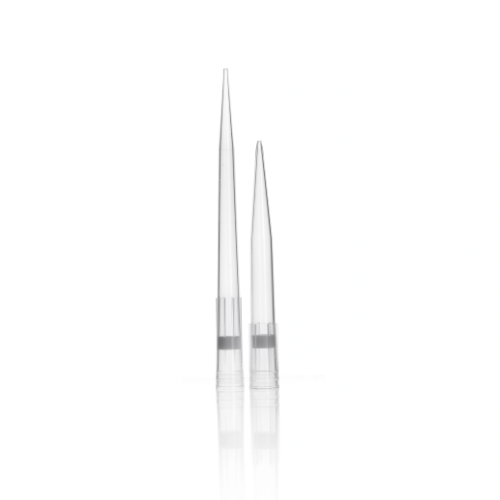
A filter pipette tip is used in laboratories to reduce the risk of cross contamination and prevent aerosol formation during pipetting. These specialized 10mL - 10ul filter tips contain a barrier filter that is designed to block aerosols and prevent any liquid or contaminants from entering the pipette shaft. While they are commonly believed to enhance the accuracy and sterility of experiments, questions remain about their effectiveness in various scenarios.
Should We Use a Filter Pipette Tip?
Depending on the experiment or test being conducted, laboratories and research centers choose between using non filtered or filtered 10mL - 10ul filter tips. Most labs opt for filtered tips, operating under the belief that the filters prevent all aerosols from contaminating samples. These filters are often seen as a cost effective way to eliminate contaminants entirely. However, this is not entirely accurate. Polyethylene filters in pipette tips do not fully prevent contamination; rather, they slow its spread.
As highlighted in a recent article by Biotix, the term ‘barrier’ can be misleading. Only certain high end 10mL - 10ul filter tips offer a true sealing barrier, while most filters merely slow down liquid from entering the pipette barrel. Independent studies have evaluated the effectiveness of tip filters compared to non filtered alternatives. For example, a 1999 study published in the Journal of Applied Microbiology, London assessed the effectiveness of polyethylene filter tips compared to non filtered tips. Among 2,620 tests, 20% of samples showed carryover contamination on the pipette nose when no filter was used, while 14% of samples were cross contaminated when using polyethylene filters plastic pipette tips. The study also revealed that contamination of the pipette barrel occurred within 100 uses when pipetting radioactive liquids or plasmid DNA without a filter. Although filtered tips reduce cross contamination, they do not entirely eliminate it.
Furthermore, the filter tips price cost difference between filtered and non filtered tips is significant. A rack of 96 filtered tips costs about 35% more than a rack of unfiltered tips, with an average filter tips price increase of $3.85 per rack. While this may seem minimal, the expense accumulates over time. For example, Rockefeller Labs purchased 16,500 boxes of pipette tips in 2019, resulting in a potential plastic pipette tips price cost difference of $2.1 million between filtered and unfiltered tips.
When deciding whether to use filtered or non filtered pipette tips, technicians and scientists should carefully weigh the benefits against the increased costs. Additionally, the advantages of using unfiltered tips open the possibility for labs to consider reusing and cleaning non-filtered tips with products like those from Grenova, especially in light of shortages caused by the surge in COVID-19 testing.
Applications of a Filter Pipette Tip
Molecular Biology and Genetics
PCR and DNA/RNA Amplification: 10mL - 10ul filter tips are essential in preventing cross contamination between samples, especially in sensitive processes like polymerase chain reactions (PCR) and nucleic acid amplification. Even small contaminants can affect results, so maintaining sample purity is critical.
Gene Sequencing and Cloning: The accuracy of pipetting in these processes is paramount to avoid errors in DNA sequencing or cloning experiments, which can be compromised by contamination.
Microbiology
Cell Culture and Bacterial Growth: Sterility is crucial when working with cells or bacterial cultures. Filtered pipette tips minimize the risk of contamination from aerosols or carryover, ensuring the accuracy and integrity of microbiological experiments.
Pathogen Research: In studies involving pathogens, preventing contamination is critical to both the safety of the lab and the validity of the results. Filtered tips provide an added layer of protection.
Forensic Science
DNA Testing and Analysis: 10mL - 10ul filter tips are often used in forensic labs to avoid contamination between samples, which is essential in maintaining the chain of custody and ensuring that results are reliable for legal purposes.
Trace Evidence Handling: The small volumes of liquids handled in forensic investigations can be easily contaminated, making filtered tips invaluable for accurate testing.
Clinical Diagnostics
Serology and Blood Testing: 10mL - 10ul filter tips are used to avoid cross-contamination in clinical testing environments, such as blood or plasma sampling, where accuracy is critical for patient diagnosis.
Virus and Pathogen Testing: In settings such as virology labs, where samples may contain infectious agents, filtered tips help prevent the spread of aerosols that could endanger the lab environment or alter test results.
Pharmaceutical and Biotech
Drug Development: 10mL - 10ul filter tips are crucial for maintaining sample integrity during drug formulation, testing, and screening processes. Precision and sterility are essential for developing reliable pharmaceutical products.
Protein and Enzyme Studies: Protein purification and enzyme assays demand high precision and cleanliness to avoid cross-contamination, making filtered pipette tips necessary for accurate results.
Environmental Testing
Water and Soil Analysis: 10mL - 10ul filter tips help ensure that no contaminants from the pipette or previous samples interfere with the testing of environmental samples, such as water, air, or soil, which must be kept as sterile as possible.
Toxicology: In analyzing toxic substances, preventing cross contamination is critical, and filtered pipette tips help maintain the purity of each sample.
Food and Beverage Industry
Microbiological Testing: 10mL - 10ul filter tips are commonly used in testing food and beverages for bacterial or chemical contamination, ensuring that the results are reliable and uncontaminated by previous samples or external factors.
Proteomics and Metabolomics
Biomarker Discovery: In proteomics and metabolomics studies, researchers are often dealing with minute quantities of biological samples. Filtered pipette tips help prevent contamination between these samples, ensuring that results are accurate and reproducible.
Mass Spectrometry: Filtered tips can be vital in sample preparation for mass spectrometry analysis, where even the slightest contamination can skew results.
Yongkang Medical is a leading manufacturer and supplier of high quality 10ul filter tips. We specialize in designing and producing innovative products that meet the needs of our customers and exceed their expectations. Get good filter tips price, just contact us: czyk001@163.com or eric@yongkangcn.com


