
 English
 हिन्दी
 Melayu
 Español
 Français
 العربية
 Deutsch
 lingua italiana
 shqiptare
 日本語
日本語 Bahasa indonesia
 Nederlands
 Portugues
 한국어
한국어 Filipino
 Pусский
Blood collection tubes, also known as vacutainers or phlebotomy tubes, are an essential resource in modern medical laboratories. These tubes are designed to collect blood samples from patients for various diagnostic tests, including blood chemistry analysis, infectious disease screening, and genetic testing.
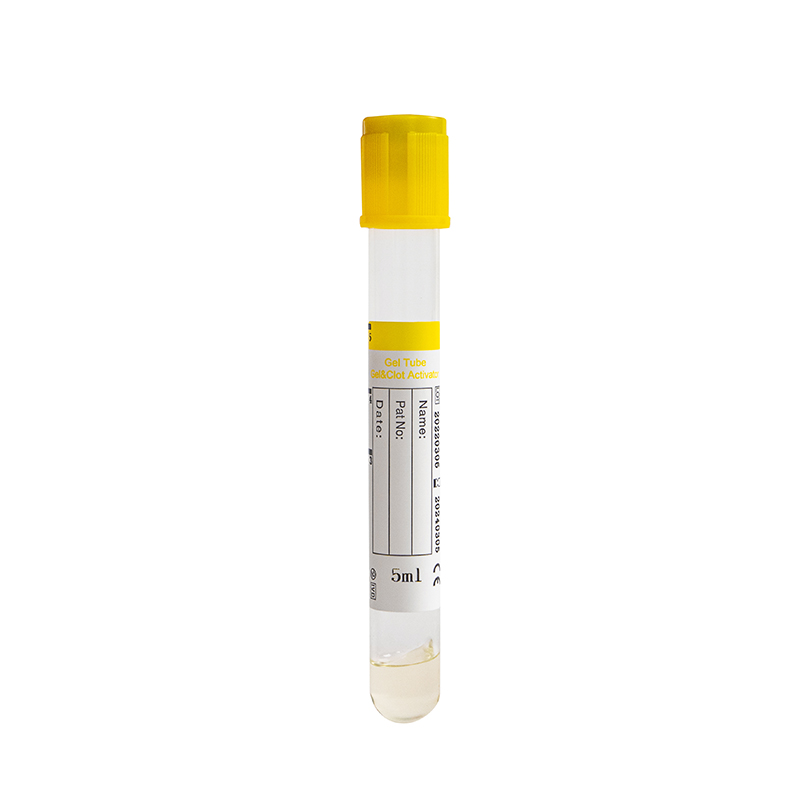
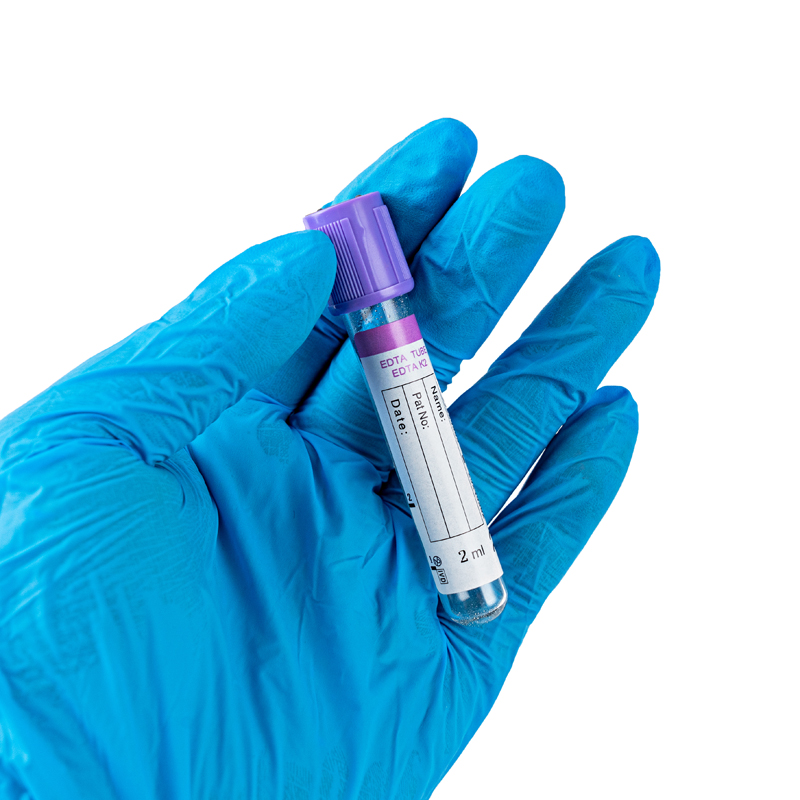
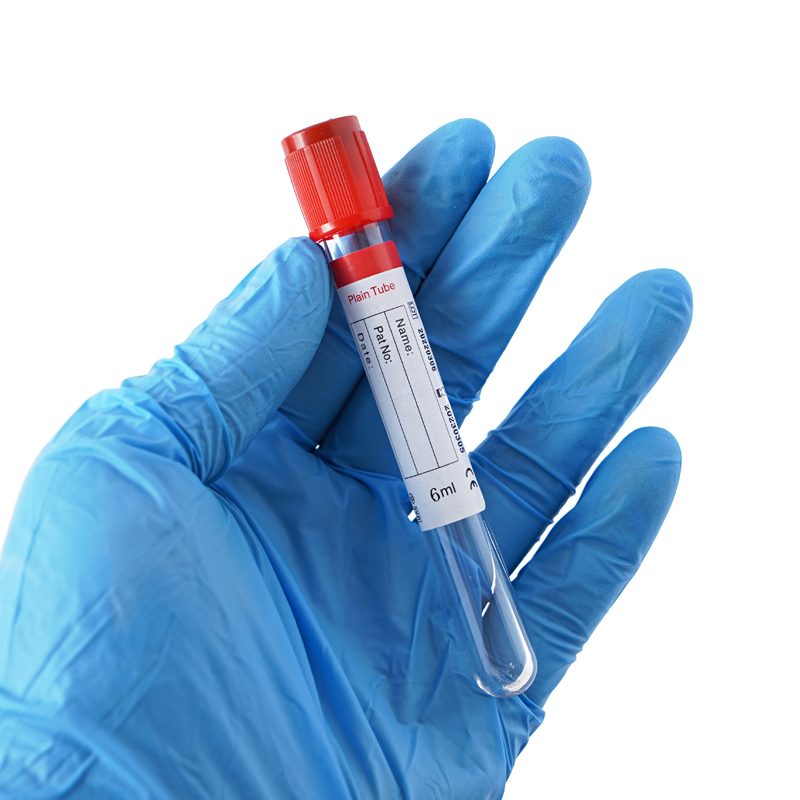
There are several types of blood collection tubes available, each with its unique color-coded cap that indicates the type of additive or preservative present in the tube. For instance, a red top tube usually contains no additive and is used to collect serum samples, while a lavender top tube contains EDTA (ethylene diamine tetraacetic acid) and is used for complete blood count (CBC) tests.


Blood collection tubes also come with varying sizes and volumes, ranging from small microtainers to larger 10-mL tubes suitable for blood donation purposes. The tubes' size and volume depend on the intended use and the amount of blood needed for the test.
The process of collecting blood using these tubes involves several steps. First, the phlebotomist puts on gloves, selects the appropriate tube, and prepares the patient's arm by cleaning it with an antiseptic solution. Next, they insert the needle into the patient's vein, and the blood flows through the needle into the tube via vacuum suction.
After collection, the tubes must be handled carefully to prevent damage or contamination. This includes labeling the tubes accurately, storing them at the proper temperature, and transporting them to the lab promptly.
In summary, blood collection tubes play a crucial role in modern medicine, providing doctors and researchers with vital information about a patient's health. Understanding the different types, sizes, and uses of these tubes can help ensure accurate blood sample collection and reliable diagnostic results.
Moreover, the development of blood collection tubes has come a long way since their inception. The first blood collections tubes were made of glass and required a separate needle and syringe to collect the blood. However, advances in technology have led to the creation of plastic blood collection tubes that are easier to use and less prone to breakage.
In addition to the standard blood collection tubes, there are also specialized tubes designed for specific tests. For instance, there are green top tubes that contain heparin and are used for plasma samples, and yellow top tubes that contain ACD (acid-citrate-dextrose) and are used to collect whole blood for DNA testing.
It is important to note that proper training and technique are crucial when collecting blood samples using these tubes. Inaccurate or improper collection can lead to false test results, which can have serious implications for patient care.
In conclusion, blood collection tubes are an essential tool in modern medicine, allowing healthcare professionals to gather crucial information about a patient's health. Understanding the science behind these tubes and the correct procedures for their use is vital for accurate diagnostic testing and effective patient care.
Another important aspect of blood collection tubes is their safety. Bloodborne pathogens, such as HIV and hepatitis B and C, can be transmitted through contaminated needles or tubes. Therefore, blood collection tubes are designed with safety features to minimize the risk of accidental needlestick injuries.
For instance, some blood collection tubes feature a safety shield that covers the needle after use, reducing the likelihood of contact with blood or bodily fluids. Additionally, many healthcare facilities have implemented needlestick prevention programs and protocols to further reduce the risk of injury.
Finally, there are environmental considerations associated with the use and disposal of blood collection tubes. The plastic materials used in these tubes can take hundreds of years to decompose, contributing to the growing problem of plastic waste in landfills and oceans. Some companies have developed eco-friendly alternatives to traditional blood collection tubes, including biodegradable options made from plant-based materials.
In conclusion, blood collection tubes are an essential tool in modern medicine, providing vital information for diagnostic testing and patient care. Understanding the science behind these tubes, along with proper training and technique, is crucial for accurate results and patient safety. Efforts to improve the sustainability of blood collection tubes will also help reduce their environmental impact and promote a more sustainable healthcare system.
 |
 |
 |


