
 English
 हिन्दी
 Melayu
 Español
 Français
 العربية
 Deutsch
 lingua italiana
 shqiptare
 日本語
日本語 Bahasa indonesia
 Nederlands
 Portugues
 한국어
한국어 Filipino
 Pусский
Hardly a week passes without another story highlighting the capabilities of a "simple" blood test, claiming to diagnose various cancers or predict life expectancy. Yet, there's another bodily fluid that often goes overlooked – urine. After all, what is pathology without the pee?
While it might feel somewhat uncomfortable to hand over a jar of bodily waste to a collector, the significance of urine tests should not be underestimated. Despite the convenience of a blood sample, urine tests provide unique insights into our health that blood analyses may not capture.
(And remember – there's no need to feel awkward; your medical urine collector is a trained health professional, accustomed to handling such samples without any discomfort.)
What Is Urinalysis?
A urinalysis is a laboratory test designed to assist your doctor in identifying potential issues revealed through your urine.
Various illnesses and disorders can impact the processes by which your body eliminates waste and toxins, involving organs such as the lungs, kidneys, urinary tract, skin, and bladder. Dysfunction in any of these organs can influence the visual appearance, concentration, and composition of your urine.
It's important to note that urinalysis differs from drug screening or pregnancy tests, even though all three involve the analysis of a urine sample.
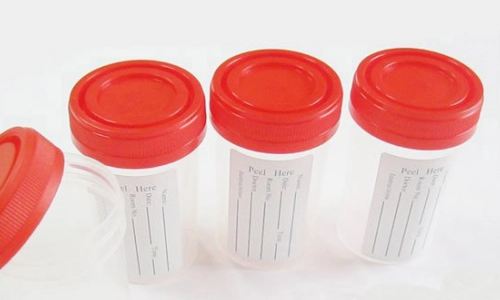
Collecting A Urine Sample
Your doctor or another healthcare professional will provide you with a plastic urine container and guide you on how to collect the urine sample.
You have the flexibility to collect a urine sample at any time of the day, unless specifically advised otherwise by your GP or practice nurse.
There are various types of urine samples you might be requested to provide, including a random specimen, first morning specimen, or timed collection.
To properly collect a urine sample, follow these steps:
Label a sterile, screw-top container with your name, date of birth, and the date.
Wash your hands (and genitals if possible).
Initiate urination and collect either a "first-catch" or a "mid-stream" sample of urine in the container – you will receive instructions on which type to collect.
Screw the lid of the container shut securely.
Thoroughly wash your hands.
Adhere to any additional instructions provided by your doctor.
This process ensures the accurate and hygienic collection of the urine sample as per your healthcare professional's guidance.
What Is A Mid-Stream Urine Sample?
A mid-stream urine sample entails excluding the initial and final portions of urine during collection. This precautionary measure minimizes the likelihood of sample contamination from:
Your hands
The surrounding skin near the urethra, the tube responsible for carrying urine out of the body
What Is A First Catch Urine Sample?
A first catch urine sample means you catch the first part of the urine that comes out.
Storing A Urine Sample
If you're unable to submit your urine sample within 1 hour, it should be placed in a sealed plastic bag and refrigerated at approximately 4°C. It is essential not to store it for more than 24 hours.
Failure to refrigerate the urine sample may lead to bacterial multiplication, potentially impacting the accuracy of the test results.
Certain sample disposable urine cups come with preservatives, allowing urine to be stored for an extended period at room temperature. If immediate submission is not possible, instructions on how to store your urine sample should be provided.
Preparing for Urinalysis
Prior to your test, ensure adequate hydration by drinking plenty of water. However, be cautious not to consume excessive amounts of water, as it may lead to inaccurate results.
On the day of the test, one or two extra glasses of fluid, which may include juice or milk if compatible with your diet, are sufficient. No fasting or alterations to your regular diet are required for the test.
Additionally, inform your doctor about any medications or supplements you are currently taking. Some substances that can impact urinalysis results include:
Vitamin C supplements
Metronidazole
Riboflavin
Anthraquinone laxatives
Methocarbamol
Nitrofurantoin
There may be other drugs affecting the results, so disclose all substances you use to your doctor before undergoing urinalysis.
About the Urinalysis Process
You will provide your urine sample at the doctor's office, a hospital, or a specialized testing facility. A plastic cup will be provided for you to take to the bathroom, where you can privately collect the urine.
If required, you may be asked to obtain a clean catch urine sample to prevent bacteria from the genital area from contaminating the sample. To do this, clean around your urethra with a premoistened cleaning wipe provided by the doctor. Urinate a small amount into the toilet, then collect the sample in the cup. It's essential to avoid touching the inside of the cup to prevent transferring bacteria from your hands to the sample.
After collecting the sample, secure the lid on the cup, wash your hands, and either bring the cup out of the bathroom or place it in a designated compartment inside the bathroom.
In certain cases, your doctor may request a urinalysis using a catheter inserted into your bladder through your urethra. This method may cause mild discomfort, and if you find it uncomfortable, discuss alternative methods with your doctor.
Once you provide your sample, your part of the test is complete. The sample will be sent to a lab or remain in the hospital if the necessary equipment is available.
Methods of Urinalysis
Following the collection of your urine sample, your doctor will employ one or more of the following methods to analyze it:
Microscopic Exam:
During the microscopic exam, your doctor scrutinizes drops of your urine under a microscope. They are looking for:
Abnormalities in red or white blood cells, indicative of infections, kidney disease, bladder cancer, or a blood disorder.
Crystals suggesting the presence of kidney stones.
Infectious bacteria or yeasts.
Epithelial cells, which may indicate the presence of a tumor.
Dipstick Test:
In the dipstick test, your doctor inserts a chemically treated plastic stick into your urine sample. The stick changes color based on the presence of specific substances, helping your doctor identify:
Bilirubin, a product of red blood cell breakdown.
Blood.
Protein.
Concentration or specific gravity.
Changes in pH levels or acidity.
Sugars.
High particle concentrations may indicate dehydration, elevated pH levels can signal urinary tract or kidney issues, and the presence of sugar may indicate diabetes.
Visual Exam:
Your doctor visually examines the sample for abnormalities, such as:
A clouded appearance, indicating a potential infection.
Abnormal odors.
A reddish or brownish appearance, suggesting the presence of blood in your urine.
Getting the Results:
Once the urinalysis results are available, your doctor will review them with you.
Interpreting Abnormal Results:
If your results appear abnormal, two options are considered:
Further Tests: If you have a history of kidney problems, urinary tract issues, or related conditions, your doctor may order additional tests or another urinalysis to pinpoint the cause of the abnormal findings.
No Follow-Up: If you exhibit no other symptoms of an underlying condition, and a physical examination indicates overall normal health, your doctor may not require further follow-up.
Protein in Your Urine:
While your urine typically contains minimal protein, occasional spikes in protein levels can be attributed to factors such as excessive heat or cold, fever, stress (both physical and emotional), or intense exercise. These factors are generally not indicative of major issues. However, consistently high protein levels may signal underlying problems like kidney disease, diabetes, heart conditions, high blood pressure, lupus, leukemia, sickle cell anemia, or rheumatoid arthritis. In such cases, follow-up tests may be ordered by your doctor to identify the specific condition causing elevated protein levels in your urine.
What Urine Samples Are Used For?
Your GP or another healthcare professional might request a urine sample to aid in the diagnosis or exclusion of specific health conditions.
Urine serves as a reservoir of waste products filtered out by the body. Any unusual findings in the sample could signify an underlying health issue, prompting further investigation.
Yongkang Medical is a company that specializes in the manufacturing and distribution of high quality urine sample containers for medical applications or labs. Contact us to order hospital urine collector.


