
 English
 हिन्दी
 Melayu
 Español
 Français
 العربية
 Deutsch
 lingua italiana
 shqiptare
 日本語
日本語 Bahasa indonesia
 Nederlands
 Portugues
 한국어
한국어 Filipino
 Pусский
What are pipette tips used for?
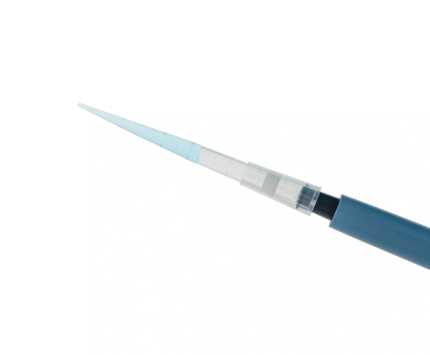
Pipette tips are small disposable attachments that fit onto the end of pipettes, which are commonly used laboratory tools for transferring precise volumes of liquids. The tips come in a variety of sizes and shapes, depending on the specific application. The filter pipette tips are used for a variety of purposes in the laboratory, such as:
1. Transferring precise volumes of liquids: Pipette tips enable accurate and precise transfer of liquids from one container to another, making them an essential tool in many laboratory procedures, such as dilution, mixing, and dispensing of reagents.
2. Preventing cross-contamination: Pipette tips are disposable, meaning that they can be discarded after each use, reducing the risk of contamination between samples.
3. Minimizing sample loss: Pipette tips are designed to fit snugly onto the end of pipettes, ensuring that the entire sample is transferred without any loss.
4. Increasing accuracy: Pipette tips come in various sizes, which allows scientists to select the appropriate tip size for the volume of liquid they need to transfer, making it easier to achieve accurate results.

What are the types of filter pipette tips?
There are several types of pipette tips available, each designed for specific applications. Here are some of the most common types of pipette tips:
1. Standard pipette tips: These are the most common type of pipette tips, and they come in a variety of sizes to fit different types of pipettes. They are designed for general-purpose use, such as transferring liquids from one container to another.
2. Filtered pipette tips: These tips have a built-in filter that prevents aerosols and other contaminants from entering the pipette or being released into the air during pipetting. They are often used when handling hazardous or infectious materials.
3. Low retention pipette tips: These tips are designed to minimize sample loss by reducing the amount of liquid that sticks to the inside of the tip. They are useful when working with expensive or precious samples.
4. Extended length pipette tips: These tips are longer than standard pipette tips, which allows them to reach the bottom of tall vessels such as test tubes or deep-well plates. They are often used in high-throughput applications, such as screening assays.
5. Wide-bore pipette tips: These tips have a larger diameter than standard tips, which makes them useful for handling viscous or foaming liquids, such as proteins, DNA, or surfactants.
6. Specialty pipette tips: There are many other specialized types of pipette tips available, such as conductive tips for working with electrostatically charged samples, or tips with built-in magnets for automated workflows. These tips are often tailored to specific applications and can be more expensive than standard tips.
Yongkang Medical is a leading disposable consumables supplier in China, we provide a series of pipette tips with good sealing performance used for liquid transfer, separation, and mixing. We provide10μL、10μL+、20μL、100μL、200μL、300μL、 1000μL、 1250μL、5mL、10mL specification.

Methods of sterilizing pipette tips:
Sterilization is a crucial step in any laboratory workflow to avoid contamination of samples, reagents, and other materials. There are several methods available for sterilizing pipette tips, including:
1. Autoclaving: This is a common method for sterilizing pipette tips. Pipette tips can be autoclaved at high temperature and pressure, which destroys all microorganisms and spores. However, this method can be time-consuming, and some plastic tips may melt or deform at high temperatures.
2. UV irradiation: Pipette tips can be sterilized by exposing them to ultraviolet (UV) light. This method damages the DNA of microorganisms, preventing them from replicating. UV sterilization is fast and efficient, but it may not be effective for all types of microorganisms and requires a specialized UV sterilizer.
3. Chemical sterilization: Pipette tips can be treated with chemicals such as hydrogen peroxide, ethanol, or bleach to kill microorganisms. This method is effective, but it requires handling of hazardous chemicals and may not be suitable for all types of pipette tips.
4. Gamma irradiation: This method involves exposing pipette tips to high-energy gamma rays, which kills microorganisms by damaging their DNA. Gamma irradiation is fast, efficient, and suitable for a wide range of materials, but it requires specialized equipment.
5. Filtration: Some pipette tips come with built-in filters that can remove microorganisms from the sample during pipetting. This method is useful when working with hazardous or infectious materials, but it may not be effective for all types of microorganisms.
Are pipette tips reusable?
Pipette tips are typically designed for single-use and are disposable. Using disposable tips helps to prevent contamination between samples, reduces the risk of cross-contamination, and ensures the accuracy and precision of results.
Reusing pipette tips is not recommended because it can introduce contamination, affect the accuracy and precision of the pipetting, and increase the risk of carryover between samples. Furthermore, pipette tips are typically made of plastic, which can degrade or become damaged over time, affecting their performance and reliability.
To ensure the accuracy and reproducibility of experiments, it is essential to use fresh, unused pipette tips for each sample or reagent dispensed. After use, pipette tips should be discarded in an appropriate biohazard waste container to prevent contamination and minimize the risk of exposure to hazardous materials.
What are the 3 most commonly used pipette sizes?
The most commonly used pipette sizes in the laboratory are:
1. P20 pipette: This pipette has a volume range of 2-20 microliters and is typically used for precise and accurate dispensing of small volumes of liquids, such as DNA or RNA samples, enzymes, or other reagents.
2. P200 pipette: This pipette has a volume range of 20-200 microliters and is commonly used for transferring medium-sized volumes of liquids, such as buffer solutions, media, or cell culture reagents.
3. P1000 pipette: This pipette has a volume range of 100-1000 microliters and is typically used for dispensing larger volumes of liquids, such as bacterial cultures, serum, or whole blood.
These three pipette sizes cover a wide range of volumes commonly used in the laboratory, making them essential tools for many applications. However, other pipette sizes are also available, and the choice of pipette size depends on the specific application and the volume of liquid being transferred.
How do you read a pipette tip?
Reading a filter pipette tip depends on the type of pipette being used. There are two main types of pipettes: digital pipettes and analog pipettes.
For digital pipettes, the volume is displayed on a digital screen on the pipette body. The digital display shows the volume set by the user and provides a visual indication of the volume dispensed as the liquid is aspirated and dispensed. To read the volume dispensed, simply read the volume value on the digital display.
For analog pipettes, the volume is read from the graduations on the pipette body. The pipette is typically adjusted by turning a plunger or dial to set the desired volume. The graduations on the pipette body show the volume range and are marked with numbers or lines corresponding to the volume of liquid being dispensed. To read the volume dispensed, align the pipette tip with the meniscus of the liquid and read the volume value at the bottom of the meniscus.
It is important to read the pipette tip accurately to ensure the correct volume of liquid is dispensed. To avoid errors, ensure the pipette is properly calibrated, and check that the pipette tip is securely attached to the pipette. It is also important to use the correct type and size of pipette tip for the pipette being used to ensure accurate and precise liquid dispensing.
How to choose the right micro pipette tips for your application?
Choosing the right micropipette tips for your application is important to ensure accurate and precise liquid dispensing. Here are some factors to consider when selecting the appropriate pipette tips:
1. Volume range: Choose pipette tips that are compatible with the volume range of the pipette being used. The pipette tip's volume capacity should be greater than or equal to the volume range of the pipette to ensure accurate and precise dispensing.
2. Sample type: Consider the type of sample being pipetted. For example, if working with viscous liquids or liquids that contain particles, choose tips with wider openings to minimize clogging.
3. Sterility: If working with sensitive samples or in a sterile environment, use sterile pipette tips to prevent contamination.
4. Material: Choose pipette tips made of the appropriate material for your application. For example, polypropylene tips are ideal for most general laboratory applications, while low retention tips are useful when working with samples that tend to stick to the pipette tip.
5. Brand compatibility: Select pipette tips that are compatible with the brand of pipette being used to ensure proper fit and prevent leaks.
6. Disposable or reusable: Decide whether disposable or reusable pipette tips are best for your application based on the cost and environmental impact.


