English
 हिन्दी
 Melayu
 Español
 Français
 العربية
 Deutsch
 lingua italiana
 shqiptare
 日本語
日本語 Bahasa indonesia
 Nederlands
 Portugues
 한국어
한국어 Filipino
 Pусский
History of vacuum blood collection tube development:
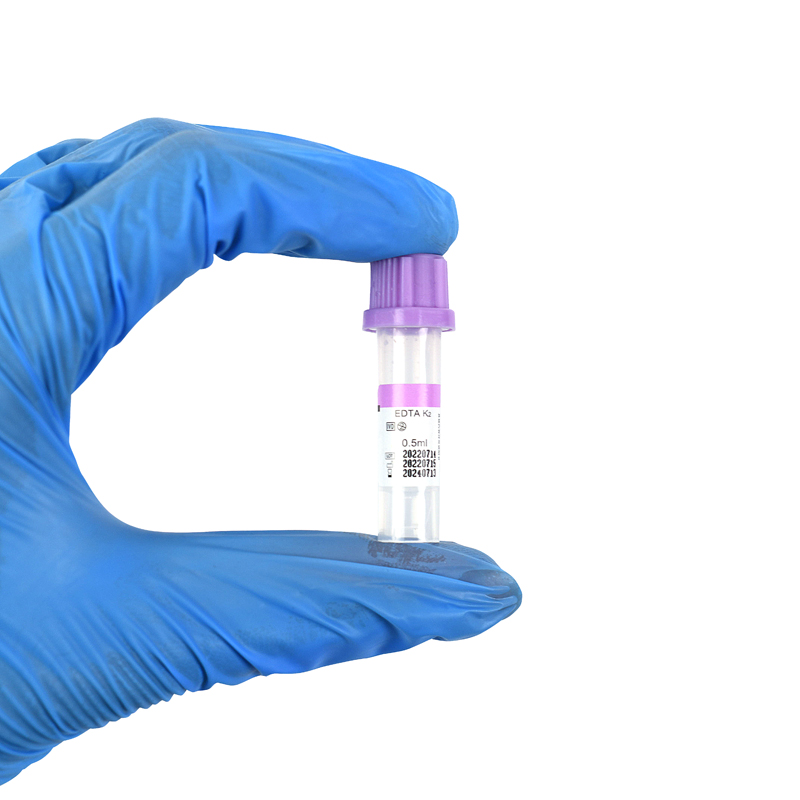
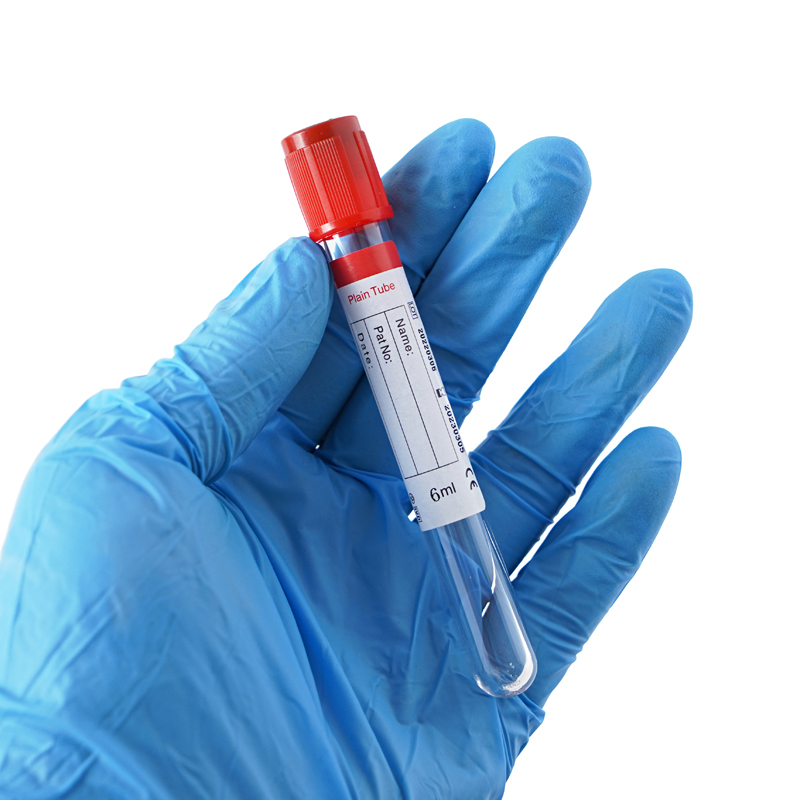
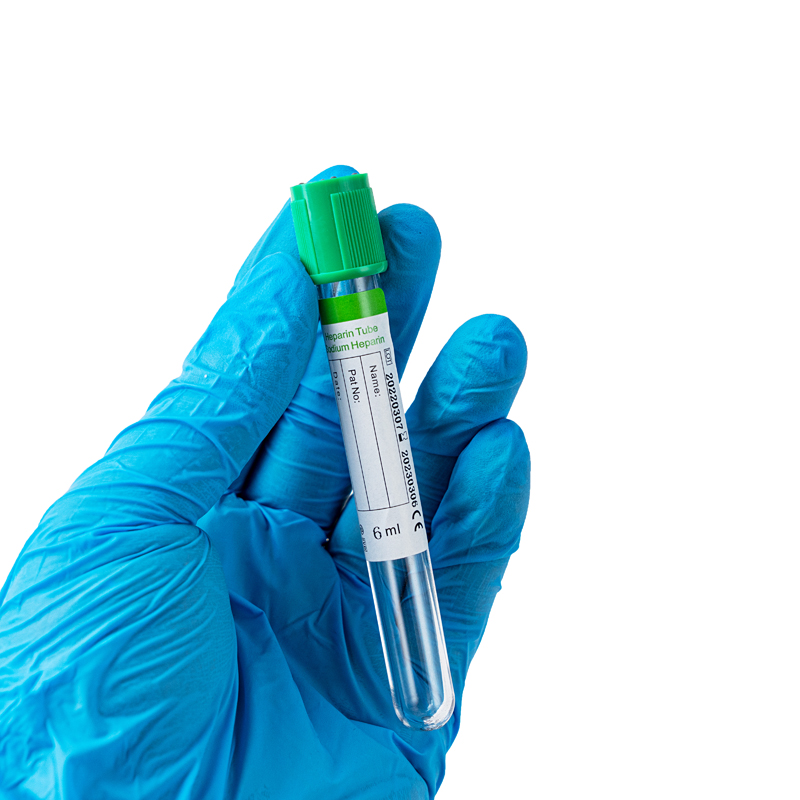
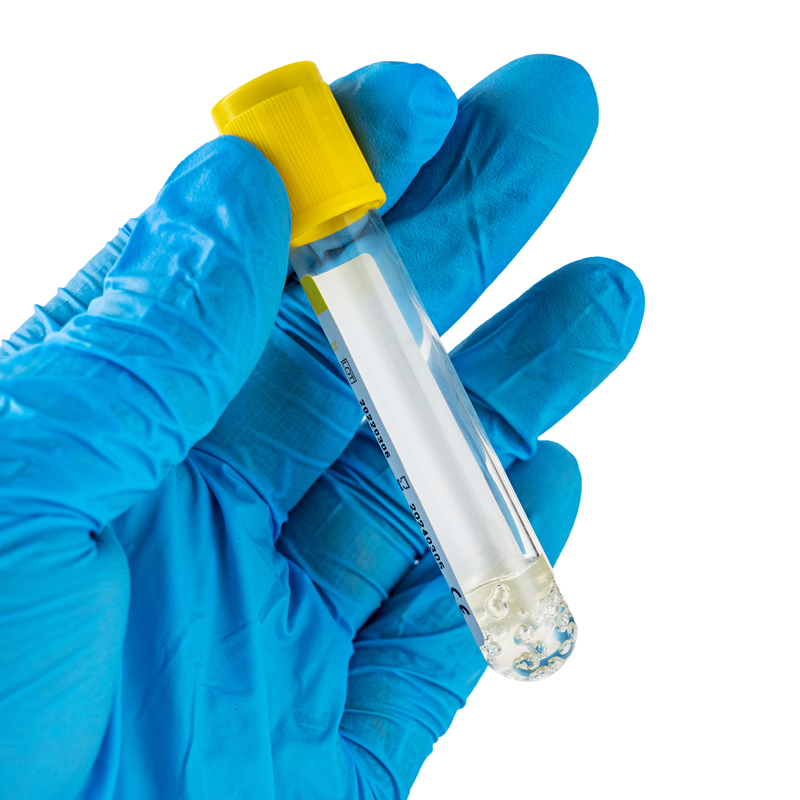
Vacuum blood collection tube is a blood sample collection container. It was first invented in 1937 during the Second World War. It was commercially produced in Europe and the United States in 1943. It was introduced in Japan in 1964 and used in clinical blood collection in 1971. The use of the vacuum blood collection system brings higher safety, more convenient and faster use, and can ensure a more accurate ratio of blood and additives. Blood collection technology and instruments have made great progress in recent years. Still, blood collection techniques when using the first vacuum collection tubes were not exactly consistent with today's workflow. When using a vacuum blood collection tube to collect blood, one end of the blood collection needle penetrates into the patient's vein, and the other end can pierce the rubber plug of the blood collection tube when the vacuum blood collection tube is pushed into the needle holder. The vacuum in the tube ensures that the blood collection tube collects an appropriate amount of blood. When multiple tube samples need to be collected, other blood collection tubes can continue to be pushed into the needle holder after the blood collection of the previous blood collection tube is completed.
The first patent Evacutainer for vacuum blood collection tubes was registered by Joseph Kleiner and granted to BD in 1949. Before the patent went into effect, Kleiner brought the Evacutainer to BD. BD immediately appointed Kleiner as a product consultant, and the name of the blood collection tube was changed to Vacutainer. Soon thereafter, the blood collection tube became the company's best-selling product. BD Vacutainer blood collection tubes are packaged and shipped in vacuum cans similar to coffee cans. This was a technological leap at the time, as heavy pressure plates were required to prevent the rubber stoppers from falling off during autoclaving. Initially BD only produced one kind of vacuum blood collection tube, now there are hundreds of types and specifications. Current vacutainer systems use tubes with vacuum inside the tubes and color-coded caps, and a needle holder and bi-directional needle that can be attached to the bi-directional needle. Color-coded caps are used to differentiate between different types of blood collection tubes. Until the early 1970s, BD was the only manufacturer of vacuum blood collection tubes in the United States. Since then, other manufacturers began to enter the market one after another.

The development history of vacuum blood collection tubes in China:
Looking back on the 24 years from 1991 to 2015 in my country's vacuum container for blood draw industry, it can be roughly divided into three stages.
The first stage: from the birth of my country's first disposable vacuum blood collection tube in 1991 to 1998, the first 8 years belonged to the initial stage of the industry. Stages of automated assembly.
The second stage: In 1999, the former State Food and Drug Administration promulgated the industry standard YY0314. From this year to the second 8 years in 2007, it belonged to the growth period of the vacuum blood collection tube industry. Since the former Ministry of Health issued the "WS/ T225-2002 Collection and Handling of Blood Specimens for Clinical Chemical Examination clearly stipulates that blood specimens for chemical examination must be collected using vacuum collection tubes. Domestic upstream enterprises have launched a series of vacuum blood collection tubes for manufacturing according to the characteristics of my country's vacuum blood collection tube industry. Special equipment has made the automatic production of vacuum blood collection tubes advance rapidly, and social capital has begun to enter this field one after another. By the end of 2007, there were more than 30 manufacturers of vacuum blood collection tubes nationwide, and the production and sales volume reached 1.2 billion.
The third stage: The 8 years from 2008 to 2015 is the period of rapid development of China's vacuum blood collection tube industry, the number of enterprises has increased rapidly, and the scale of investment has continued to increase. The upstream and downstream enterprises in the vacuum blood collection tube industry began to appear one after another and gradually became large-scale. In 2015, there were as many as 115 manufacturers of disposable vacuum blood collection tube that were put into operation nationwide, with production and sales of close to 5 billion pieces. In addition to exporting a large number of vacuum blood collection tubes, the automatic production line of vacuum blood collection tubes, butyl rubber stoppers for blood collection tubes, blood collection tube embryos, veins Peripheral products such as blood collection needles also seized part of the international market.

The development status of disposable vacuum blood collection tube:
Conventional medical devices such as ordinary syringes and infusion sets are already in the mature stage of the market. The global average annual demand for vacuum blood collection tubes is about 20 billion, and the actual domestic sales scale in 2020 is about 2.7 billion. Vacuum blood collection tubes have a high penetration rate in developed countries, with a penetration rate of over 70%. The global growth rate is about 10%, which is higher than the 7.5% growth of the overall medical equipment; developing countries have become the largest driving point of growth, and have maintained a growth rate of about 20% in recent years. China, India and other developing countries The increase in penetration has become the fastest growing market.
The development trend of the vacuum blood collection tube industry points out that important international medical device companies entrust Chinese companies to manufacture OEM products, and the products are mainly sold to the United States, Germany and Japan. The Chinese manufacturing of medical devices has a certain degree of international recognition, such as BD in the United States and Japan. NIPRO commissioned Shanghai Kindly to produce syringes, and Australia OMI commissioned Zhejiang Shuangge to produce safety syringes. The export volume of medical device products is huge. In 2020, my country's total import and export of medical devices will reach 16.28 billion US dollars, a year-on-year increase of 28.21%. Among them, the export value was 11.067 billion US dollars, a year-on-year increase of 31.46%; the import value was 52.16 US dollars, a year-on-year increase of 21.81%. The foreign trade of medical devices continued to maintain a surplus, with a surplus of 5.851 billion US dollars, an increase of 1.718 billion US dollars compared with the same period.
Yongkang Medical is a senior China medical technology company that develops, manufactures, and sells a wide range of medical devices, including vacuum blood collection tubes. We have our own manufacturing processes, quality control measures, and product features that differentiate our vacuum blood collection tubes from others in the market. We are a reputable company that adheres to quality standards and has a history of producing high-quality products. Contact us to get more details about vacuum blood collection tubes.