
 English
 हिन्दी
 Melayu
 Español
 Français
 العربية
 Deutsch
 lingua italiana
 shqiptare
 日本語
日本語 Bahasa indonesia
 Nederlands
 Portugues
 한국어
한국어 Filipino
 Pусский
Yongkang Medical is a China sodium heparin vacutainer supplier that produces a wide range of medical devices and laboratory products. We produce a range of high-quality sodium heparin vacutainer tubes that are designed for accurate and reliable blood collection and analysis. The tubes are made with high-quality materials and are designed to meet the specific needs of different laboratory applications. They are available in a range of sizes, from 1 ml to 10 ml, and are designed with a safety-engineered needle that helps to reduce the risk of needlestick injuries. Yongkang Medical provides high-quality sodium heparin vacutainer for sale, contact us to get sodium heparin vacutainer price.
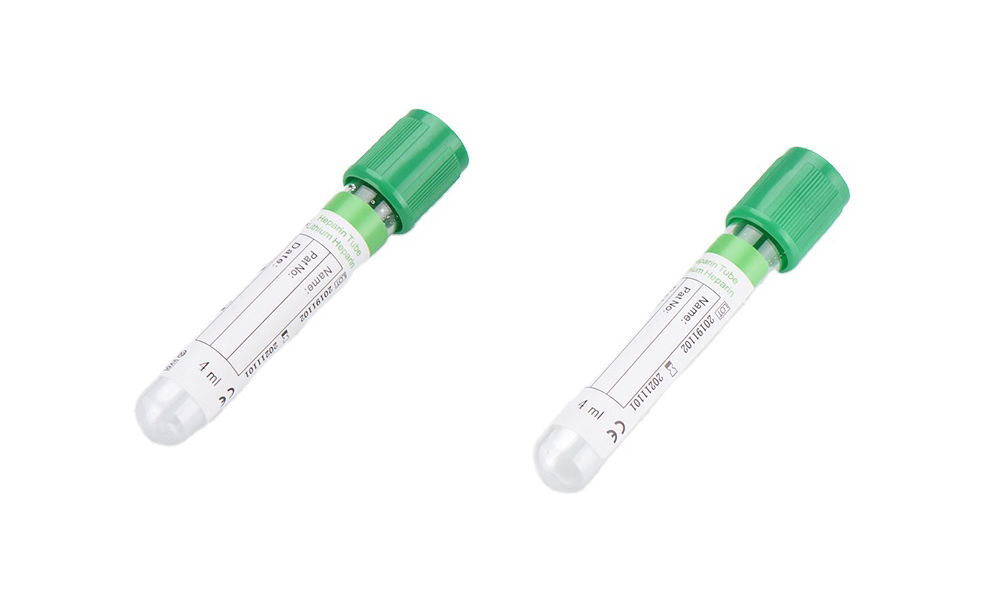
What color for sodium heparin tube?
The color of the tube for sodium heparin can vary depending on the manufacturer. However, generally, the tube for sodium heparin is either green or light green. You need to always check the label and follow the manufacturer's instructions to ensure accurate results.
What are the kinds of sodium heparin tubes?
There are several kinds of sodium heparin tubes used in clinical practice. It is important to use the correct tube for the specific test being performed to ensure accurate results. Some of the most common ones include:
1. Green-top tube: This tube contains sodium heparin as an anticoagulant and is used for the collection of plasma for chemistry, serology, and immunohematology tests.
2. Light green-top tube: This tube also contains sodium heparin as an anticoagulant and is used for the collection of plasma for STAT chemistry and electrolyte tests.
3. Dark green-top tube: This tube contains sodium heparin with thixotropic gel and is used for the collection of plasma for therapeutic drug monitoring and some specialized chemistry tests.
4. Royal blue-top tube: This tube contains sodium heparin with EDTA and is used for the collection of plasma for trace element and toxicology testing.
5. Tan-top tube: This tube contains sodium heparin and is used for the collection of whole blood for lead testing.
What size for sodium heparin vacutainer?
The size of the sodium heparin vacutainer tube can vary depending on the manufacturer and the specific intended use. However, common sizes for vacutainer tubes containing sodium heparin range from 2 ml to 10 ml. The most common size for routine blood collection is the 5 mL tube. However, for some specialized tests, a larger or smaller tube may be required.
How to produce sodium heparin tube?
The production of sodium heparin tubes involves several steps, it is important to follow strict quality control measures during each step of the manufacturing process, including:
1. Tube Manufacturing: The first step is the manufacture of the tube. The tube is typically made of glass or plastic and must be sterile.
2. Preparation of Heparin Solution: The heparin solution is prepared by dissolving heparin powder in sterile water or saline. The concentration of heparin in the solution will depend on the intended use of the tube.
3. Addition of Heparin Solution to the Tube: Once the heparin solution is prepared, it is added to the tube. The amount of solution added will 4. Mixing: After the heparin solution is added to the tube, the tube is gently mixed to ensure that the heparin is evenly distributed.
5. Labeling and Packaging: Finally, the tube is labeled with the appropriate information, such as the type of anticoagulant used, the tube size, and the expiration date. The tubes are then packaged and sterilized before being distributed for use.
What is a sodium heparin tube used for?
A sodium heparin tube is a type of blood collection tube that contains sodium heparin as an anticoagulant. Sodium heparin is a substance that prevents blood from clotting by inhibiting the activity of thrombin and other clotting factors. Sodium heparin tubes are used for a variety of laboratory tests that require plasma or whole blood specimens. Some common uses of sodium heparin tubes include:
1. Chemistry tests: Sodium heparin tubes are commonly used for chemistry tests, such as electrolyte panels, liver function tests, and kidney function tests.
2. Hematology tests: Sodium heparin tubes can be used for hematology tests, such as complete blood count (CBC) and coagulation studies.
3. Blood gas analysis: Sodium heparin tubes are used for collecting arterial blood samples for blood gas analysis.
4. Molecular diagnostic tests: Sodium heparin tubes can be used for molecular diagnostic tests, such as polymerase chain reaction (PCR) and other nucleic acid amplification tests.
Is the sodium heparin vacutainer sterile?
Yes, sodium heparin vacutainer tubes are sterile. Vacutainer tubes are manufactured under sterile conditions and are intended for use in sterile collection procedures. The tubes are typically sealed with a tamper-evident closure and are labeled with an expiration date.
It is important to use aseptic techniques when collecting blood using vacutainer tubes to avoid contamination and ensure accurate test results. The use of non-sterile tubes or improper handling during the collection process can lead to erroneous test results or potential infections.
What are the three types of heparin?
There are three main types of heparin, all three types of heparin work by inhibiting the activity of thrombin and other clotting factors:
1. Unfractionated heparin (UFH): This is the most common form of heparin and is derived from animal sources, such as porcine intestines. UFH is a mixture of molecules of varying sizes, which can make dosing and monitoring more difficult. UFH is administered by injection and requires regular monitoring of blood clotting times.
2. Low-molecular-weight heparin (LMWH): This type of heparin is derived from UFH and is smaller and more consistent in size. LMWH has a longer half-life and is administered by subcutaneous injection. It also requires monitoring of blood clotting times, but less frequently than UFH.
3. Ultra-low-molecular-weight heparin (ULMWH): This is a newer type of heparin that is still under investigation. ULMWH has an even smaller molecular size than LMWH and may have some advantages, such as less bleeding risk and more predictable dosing. However, further research is needed to determine its safety and efficacy.
What is the difference between sodium heparin vacutainer and lithium heparin tube?
The main difference between sodium heparin vacutainer and lithium heparin tubes is the type of heparin anticoagulant that they contain. Sodium heparin vacutainer tubes contain sodium heparin as an anticoagulant, while lithium heparin tubes contain lithium heparin.
Here are some other differences between the two types of tubes:
1. Anticoagulant concentration: Sodium heparin tubes typically contain a higher concentration of heparin than lithium heparin tubes. This means that sodium heparin tubes may be more effective at preventing blood from clotting.
2. Effect on test results: The choice of anticoagulant can affect the accuracy of certain laboratory tests. Sodium heparin may interfere with certain chemistry tests, while lithium heparin is less likely to interfere.
3. Tube color: Sodium heparin tubes are typically green or light green, while lithium heparin tubes are typically green or gold. However, the specific color coding may vary depending on the manufacturer.
4. Specific uses: Some tests require the use of a specific type of tube or anticoagulant. For example, lithium heparin tubes are commonly used for certain types of chemistry tests, such as tests that measure levels of enzymes and proteins in the blood.
What is the difference between EDTA and sodium heparin vacutainer?
EDTA and sodium heparin vacutainer tubes are both used for blood collection and have different anticoagulants, which affect their specific uses and properties. Here are some of the key differences between EDTA vacutainer and sodium heparin vacutainer tubes:
1. Anticoagulant: EDTA contains ethylenediaminetetraacetic acid, which binds to calcium ions and prevents coagulation by inhibiting clotting factors. Sodium heparin, on the other hand, works by inhibiting thrombin and other clotting factors.
2. Tube color: EDTA tubes are usually lavender or purple, while sodium heparin tubes are typically green or light green.
3. Effect on test results: The choice of anticoagulant can affect the accuracy of certain laboratory tests. EDTA is commonly used for hematology tests, such as complete blood count (CBC), while sodium heparin is used for a variety of laboratory tests, including chemistry, hematology, and blood gas analysis.
4. Storage: EDTA tubes should be stored at room temperature and analyzed within 24-48 hours of collection, while sodium heparin tubes can be stored at room temperature or refrigerated and can be analyzed within several days of collection.
What is the difference between heparin and heparin sodium?
Heparin and heparin sodium are essentially the same thing. "Heparin" is a generic term that refers to a group of highly sulfated glycosaminoglycans that act as anticoagulants. "Heparin sodium" refers to the sodium salt form of heparin that is commonly used in clinical settings. The use of the terms "heparin" and "heparin sodium" may vary depending on the context, but they generally refer to the same anticoagulant medication.
When heparin is used clinically as an anticoagulant, it is typically administered in its sodium salt form due to its solubility and stability properties. Heparin sodium is available in various formulations, including as an injectable solution, as a powder for reconstitution, and as a coating for medical devices.
Is sodium heparin vacutainer an anticoagulant tube?
Yes, a sodium heparin vacutainer is an anticoagulant tube used for blood collection. Sodium heparin is a potent anticoagulant that works by inhibiting the activity of thrombin and other clotting factors in the blood. This prevents the blood from clotting inside the tube and allows it to remain in a liquid state, which is important for many laboratory tests. Sodium heparin vacutainers are commonly used for tests that require whole blood, such as hematology, chemistry, and blood gas analysis. They are typically identified by their green or light green color-coded stoppers, which differentiate them from other types of blood collection tubes.
Can sodium heparin vacutainer be used for biochemical projects?
Yes, sodium heparin vacutainer tubes can be used for biochemical projects, depending on the specific requirements of the project. Sodium heparin is a potent anticoagulant that prevents blood from clotting, which makes it useful for many laboratory applications that require a liquid sample.
How long can sodium heparin vacutainer store blood?
Sodium heparin vacutainer tubes can store blood for several days at room temperature or in the refrigerator, depending on the specific storage conditions and the tests that will be performed on the sample.
According to the Clinical and Laboratory Standards Institute (CLSI), whole blood specimens collected in sodium heparin tubes should be analyzed within 24 hours of collection if stored at room temperature, or within 48 hours of collection if stored in the refrigerator at 2-8°C. However, some laboratory tests may have longer or shorter stability requirements, and the manufacturer's instructions for each test should be followed to ensure accurate results.
Serum or plasma after sodium heparin vacutainer centrifugation?
After centrifugation of a sodium heparin vacutainer tube, the resulting sample is plasma, not serum. Plasma is the liquid portion of the blood that remains after the cells, platelets, and fibrinogen have been removed by centrifugation. In contrast, serum is the liquid portion of the blood that remains after clotting has occurred and the clot has been removed by centrifugation. The presence of heparin in the sodium heparin vacutainer tube prevents the blood from clotting, which means that the resulting sample after centrifugation is plasma. Plasma can be used for many laboratory tests that require a liquid sample, such as chemistry, hematology, and blood gas analysis.


