
 English
 हिन्दी
 Melayu
 Español
 Français
 العربية
 Deutsch
 lingua italiana
 shqiptare
 日本語
日本語 Bahasa indonesia
 Nederlands
 Portugues
 한국어
한국어 Filipino
 Pусский
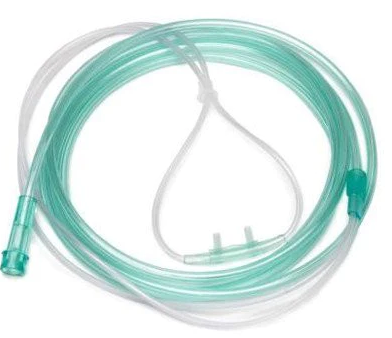
A nasal oxygen cannula is a medical device used to deliver supplemental oxygen to patients who have lower oxygen levels with respiratory issues. It’s a thin, flexible tube that goes around your head and into your nose. There are two prongs that go inside your nostrils that deliver the oxygen. The tube is attached to an oxygen source like a tank or container.
The device has two prongs and sits below the nose. The two prongs deliver oxygen directly into your nostrils. High flow nasal cannulas (HFNC) and low flow nasal cannulas (LFNC) vary in the quantity and nature of oxygen they administer per minute. The usage of a nasal cannula may be temporary in a hospital or another healthcare environment, or it may be employed at home for extended periods, contingent upon your health condition and the specific requirements for oxygen therapy.
High Flow Oxygen vs. Low Flow Oxygen
HFNC is the abbreviated term for a high flow nasal cannula, a medical device that delivers humidified and heated oxygen directly into the nostrils, with the capacity to administer up to 60 liters of oxygen per minute.
In contrast, low flow nasal cannulas are limited to a flow rate of 4 6 liters of oxygen per minute and do not supply humidified or heated oxygen. Consequently, they have a tendency to desiccate the nasal passages, potentially resulting in discomfort, bleeding, or irritation.
Oxygen Nose Cannula Uses
Your healthcare provider may recommend a nasal cannula if you are having trouble breathing or if you do not have enough oxygen in your blood. Certain health conditions (especially respiratory conditions) make it hard for your body to get enough oxygen. In these cases, getting extra oxygen through a cannula or another oxygen device may be necessary. Reasons you might use a nasal cannula include:
Respiratory failure
Chronic obstructive pulmonary disease (COPD)
Heart failure
Sleep apnea
Collapsed lung
Pneumonia
COVID 19
Intubation
Extubation
General difficulty breathing
A oxygen hose for nose is a versatile tool suitable for individuals of all ages. Newborns, for instance, may require a nasal cannula if they have underdeveloped lungs or encounter breathing difficulties at birth. Furthermore, the device proves beneficial for individuals traveling to regions with elevated altitudes, where oxygen levels are lower.
How Does A Nasal Cannula Work?
A nasal cannula is a slender and pliable tube that encircles your head, typically securing around your ears. At one extremity, it features two prongs designed to rest inside your nostrils and administer oxygen, while the opposite end of the tube connects to a source of oxygen. Various oxygen supply delivery systems exist, and the choice of system depends on your specific condition and the recommendations of your healthcare provider. Additionally, your healthcare provider specifies the appropriate amount of oxygen required for your needs.
How Long Do You Need A Nasal Cannula For Oxygen?
The duration and necessity for supplemental oxygen hinge on your specific health condition and the underlying reason for requiring it. Individuals may find themselves in different scenarios, with some needing oxygen on a permanent basis, while others may only require it during recovery from an illness or in specific situations. On the other hand, some individuals may rely on oxygen consistently, either throughout the entire day or solely during sleep.
How Much Oxygen Does A Nasal Cannula Give You?
Nasal cannulas come in two variants: high flow and low flow. The flow rate, which indicates the amount of oxygen delivered through the cannula, is typically measured in liters and controlled by a device on the oxygen supply.
High flow nasal cannulas dispense warm oxygen and have the capacity to deliver approximately 60 liters of oxygen per minute. The warming feature is crucial, as oxygen at this higher flow rate could swiftly desiccate nasal passages, potentially causing nosebleeds.
In contrast, low flow nasal cannulas do not provide heated oxygen, contributing to a quicker drying effect on nasal passages. The flow rate for a low flow cannula is limited to around 6 liters of oxygen per minute.
It's essential to emphasize that the determination of your oxygen needs is made by your healthcare provider.
What Are The Benefits Of Using A Nasal Cannula?
One significant advantage of using a nasal cannula is the ability to talk and eat without obstruction, as it doesn't cover the mouth like a face mask.
Additional benefits of a nasal cannula and oxygen therapy in general encompass:
Improved Breathing and Reduced Shortness of Breath:
Oxygen therapy, facilitated by a nasal cannula, helps alleviate feelings of breathlessness, contributing to a substantial enhancement in the overall quality of life.
Reduced Fatigue:
The alleviation of respiratory effort through oxygen therapy can lead to reduced fatigue. The energy expended in breathing, especially for those with chronic lung conditions, can be taxing, and supplemental oxygen helps mitigate this fatigue.
Enhanced Sleep Quality:
Many individuals with chronic lung conditions experience difficulties in achieving restful sleep. Oxygen therapy, including the use of a nasal cannula, can contribute to better sleep quality.
Increased Energy Levels:
Adequate oxygen supply to the body supports increased energy levels. This, in turn, enables individuals to engage in activities such as exercise, socializing, traveling, and more, fostering a more active and fulfilling lifestyle.
Nasal Cannula Risks
The potential risks associated with the use of a nasal cannula include:
Abdominal Distension:
Children or individuals undergoing anesthesia face a specific risk of abdominal distension, characterized by bloating of the stomach. Unlike other oxygen delivery devices that maintain a higher level of positive airway pressure and pose no distension risk, High Flow Nasal Cannulas (HFNCs) have lower positive airway pressure. This can permit some gas to enter the digestive system, leading to abdominal bloating.
Nasal Injury or Irritation:
More commonly observed with low flow nasal cannulas, nasal injury or irritation can also occur with high flow systems.
Pneumothorax (Collapsed Lung):
There is a small but existing risk of developing a collapsed lung (pneumothorax) during treatment with a High Flow Nasal Cannula. In a particular study, two children, constituting 1% of the study's participants, who received supplemental oxygen via a nasal cannula, developed pneumothorax.
Yongkang Medical is a company that specializes in the manufacturing and distribution of high quality nasal oxygen cannulas for medical applications. Our products are designed to meet the needs of healthcare providers and patients who require reliable and comfortable oxygen therapy. Contact us to order nasal oxygen cannula.


